Vitamin C has become a staple in modern skincare for brightening, antioxidant protection, and supporting a more even complexion. This article highlights a curated set of top vitamin C serums available on Amazon, with practical details to help American readers compare options, textures, and active forms. Each product below features a distinct approach—stability, hydration, and gentle irritation profiles—so you can choose a formula that fits your skin type and routine.
| Product | Brand | Key Benefit |
|---|---|---|
| The Ordinary Ascorbyl Glucoside Solution 12% | The Ordinary | Stabilized water-soluble vitamin C derivative for brightening with minimal irritation |
| TruSkin Vitamin C Serum for Face | TruSkin Naturals | Brightening with hydration delivery (hyaluronic acid, vitamin E, aloe) |
| CeraVe Vitamin C Serum with Hyaluronic Acid | CeraVe | 10% pure vitamin C with hydrating hyaluronic acid |
| Eclat Skincare Vitamin C Serum | Eclat Skincare | Brightening with hyaluronic acid, ferulic acid, and vitamin E |
| Derma E Vitamin C Concentrated Serum | Derma E | Antioxidant-rich brightening with hyaluronic acid and aloe |
Choosing a vitamin C serum involves considering the form of vitamin C, the presence of supporting hydrators, potential irritation, and how the serum layers with other products. The following sections present five products in detail, including key ingredients, textures, and what type of skin they tend to suit best.
The Ordinary Ascorbyl Glucoside Solution 12%

The Ordinary’s Ascorbyl Glucoside Solution 12% uses a water-soluble vitamin C derivative that converts into the active form after application. This formulation aims to brighten the skin and even tone while offering antioxidant protection. The water-based texture provides a lightweight feel that can be suitable for sensitive or irritated skin types seeking a more gentle vitamin C option. A good choice for first-time vitamin C users or those who prefer a milder, stable serum in a simple routine.
TruSkin Vitamin C Serum for Face

This TruSkin formula pairs stabilized vitamin C with a hydrating base. Its advanced brightening blend targets dark spots and uneven tone while layering in hyaluronic acid, aloe vera, jojoba oil, and vitamin E to support moisture and skin barrier health. The product emphasizes a balanced approach: potent vitamin C without excessive irritation, making it suitable for many skin types, including those with dry or combination skin seeking both brightness and comfort.
CeraVe Vitamin C Serum with Hyaluronic Acid

CeraVe offers a vitamin C serum featuring 10% L-ascorbic acid and hydrating hyaluronic acid in a fragrance-free formula. The packaging is designed to minimize oxidation, helping maintain potency. The lightweight gel texture layers cleanly under moisturizers and makeup. This option suits those who want a straightforward, non-irritating serum with reliable hydration and barrier-supporting ingredients, particularly if sensitive or reactive skin is a concern.
Eclat Skincare Vitamin C Serum
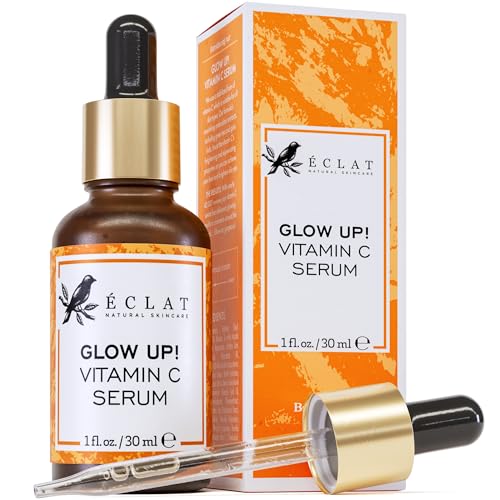
With a brightening focus, Eclat Skincare combines 3-O Ethyl Ascorbic Acid, hyaluronic acid, aloe vera, and vitamin E. This formulation emphasizes hydration and nourishment to support a refreshed, radiant complexion. The presence of ferulic acid and other supporting antioxidants helps stabilize vitamin C and potentially enhance effectiveness against environmental stressors. This can be a solid pick for those seeking a robust antioxidant blend in a comfortable, moisturizing serum.
Derma E Vitamin C Concentrated Serum

Derma E presents a vitamin C serum that emphasizes antioxidant protection with hyaluronic acid and aloe. The formula aims to brighten and improve skin texture while providing deep hydration. This option is often favored by those who prefer plant-forward formulations and want a fragrance-free, nourishing serum that supports moisture retention and a luminous look without heavy residues.
Buying Guide
Key considerations for choosing a vitamin C serum include the type of vitamin C, concentration, formulation stability, and compatibility with your skin type. Here are perspectives to help you decide:
- Active form: L-ascorbic acid is potent but can irritate sensitive skin; derivatives like sodium ascorbyl phosphate or ascorbyl glucoside tend to be milder and more stable in some formulas. If you’re new to vitamin C, start with a derivative or a lower concentration and gradually increase as tolerated.
- Concentration: Higher concentrations (10-20%) may offer stronger brightening but can raise irritation risk. Sensitive or dry skin often benefits from formulations with lower concentrations and hydrating ingredients.
- Stability and packaging: Vitamin C oxidizes in air and light. Look for dark or air-tight packaging and bottles designed to minimize exposure to air. This helps maintain potency over time.
- Hydration and supporting ingredients: Hyaluronic acid, vitamin E, ferulic acid, and aloe can improve hydration and stabilize vitamin C, potentially reducing irritation and enhancing results.
- Skin type considerations: Oily or acne-prone skin may prefer lightweight gels or serums, while dry skin may benefit from formulas with humectants and oils. Fragrance-free options are preferable for sensitive skin.
- Layering with sunscreen: Vitamin C serums can enhance protection when used with broad-spectrum sunscreen. Apply the serum after cleansing and before moisturizer and sunscreen in the daytime routine.
- Patch testing: For any new product, perform a patch test on a small area for 24–48 hours to check for adverse reactions before full-face use.
When selecting a vitamin C topical, consider your goals—brightening, texture improvement, or antioxidant defense—and how each serum’s texture, active form, and supporting ingredients align with your existing routine. The products above provide a range of options from milder derivatives to potent blends, helping you tailor a regimen that balances efficacy with skin comfort.