When choosing a sunscreen for combination skin, look for lightweight, non-greasy formulas that provide strong UV protection without clogging pores or leaving a white cast. The following picks are suited for different combination-skin needs—from oil-prone T-zones to drier cheeks—so you can layer under makeup or wear alone. This guide highlights formulas that absorb quickly, hydrate where needed, and help control shine while delivering reliable SPF protection for daily use. Each product is chosen to balance oil control with hydration and comfort throughout the day.
Buyer overview table: Top picks for combination skin
| Product | Best For | Key Benefit |
|---|---|---|
| SKIN1004 Centella Hyalu-Cica Water-Fit Sun Serum UV | Normal-to-Oily T-Zone | Lightweight, no white cast, hydrating |
| Anua Zero-Cast Moisturizing Sunscreen SPF 50 | Daily Wear, Hydration | Zero-cast glow, long-lasting moisture |
| La Roche-Posay Anthelios Clear Skin SPF 60 | Aggressive Oil Control | Oil-absorbing, non-comedogenic |
| Neutrogena Clear Face Sunscreen SPF 50 | Oil-prone, makeup layering | Non-greasy, breathable |
| Cetaphil Sheer Mineral SPF 50 | Sensitive or Reactive Skin | Mineral, lightweight, microbiome-friendly |
SKIN1004 Centella Hyalu-Cica Water-Fit Sun Serum SPF 50

Best for: Normal-to-oily skin that needs a light, fast-absorbing sunscreen. This Korean sunscreen uses a Hyalu-Cica complex to hydrate and soothe while delivering SPF 50 protection. It has a serum-like texture that layers easily under makeup and leaves no visible white cast, making it a strong choice for combination skin.
Why selected: It offers UVA/UVB coverage with a hydrating base, helping prevent texture changes from sun exposure without adding shine. The watery texture is ideal for users who want a barely-there feel on the skin.
Caution: Some users with very dry cheeks may still want an additional moisturizer underneath for extra hydration in dry climates.
La Roche-Posay Anthelios Clear Skin SPF 60 Sunscreen
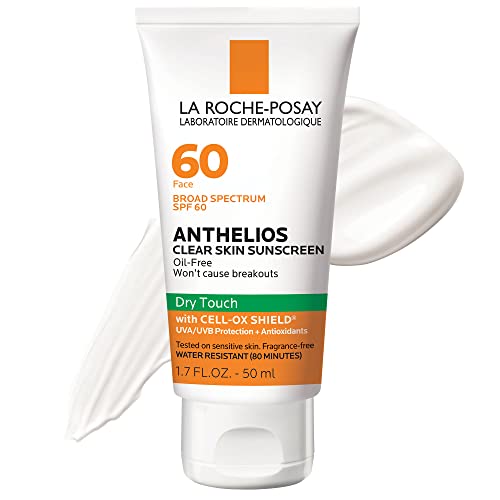
Best for: Oily or acne-prone combination skin seeking strong protection and oil control. This formula emphasizes Cell-Ox Shield technology with antioxidants and is designed to absorb oil and reduce shine, helping pores feel clearer during heat and humidity.
Why selected: It combines high SPF with oil-absorption properties and is non-comedogenic, making it a solid option for skin that tends to be greasy in the T-zone while remaining gentle on sensitive or breakout-prone areas.
Caution: Some users may experience a slight tint or texture that’s more noticeable on very dry areas; layer with a thin moisturizer if needed.
Anua Zero-Cast Moisturizing Sunscreen SPF 50

Best for: All-day wearers who want a “zero-cast” finish with hydration. The formula blends evenly on most skin tones and provides 72-hour hydration with hyaluronic acid, glycerin, niacinamide, and panthenol to support the skin barrier.
Why selected: Its lightweight, non-glossy finish suits combination skin, especially for those who dislike white casts. It layers well under makeup and remains comfortable in warm weather.
Caution: Some users may not get enough lasting moisture if exposed to prolonged sun without reapplication; reapply every two hours when outdoors.
Neutrogena Clear Face Sunscreen Lotion SPF 50
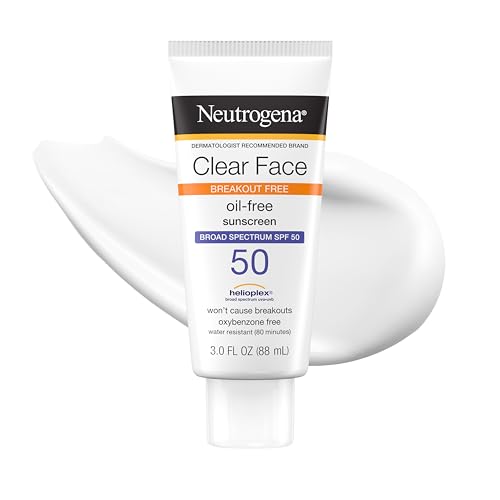
Best for: Daily wearers with oily or sensitive skin who want a non-comedogenic option that layers under makeup. This lotion provides broad-spectrum protection while helping keep pores clear and shine at bay.
Why selected: Its oil-free texture and quick absorption make it a standout for combination skin that requires reliable protection without a greasy feel. It’s especially suitable for those who wear makeup or worry about pore clarity.
Caution: Some users prefer fragrance-free formulas; check for sensitivity if you have reactive skin in the long term.
RELIEF SUN Organic Korean Sunscreen SPF50+

Best for: Skin that benefits from rice extract and probiotics, with a light, non-greasy finish. Suitable for combination skin seeking a balance of hydration and sun protection.
Why selected: Organic SPF 50+ with PA++++ provides robust UVA/UVB defense, while the formula aims to support brighter, more even skin tone with probiotics. Its lightweight texture is compatible with makeup layering.
Caution: Some users may find the scent noticeable; test on a small area before full-face use.
Abib Airy Sunstick Protection Bar SPF50+
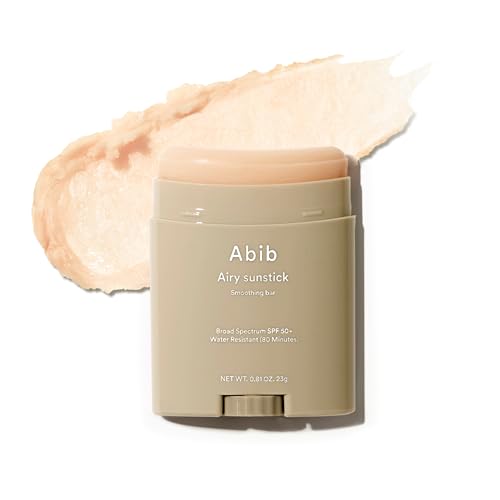
Best for: On-the-go coverage and touch-ups for combination skin that needs a quick, non-greasy protective layer. The sunstick format is ideal for midday reapplication over makeup.
Why selected: It provides broad-spectrum protection in a semi-matte finish and contains protective ingredients like ectoin and allantoin to help keep skin calm and balanced during sun exposure.
Caution: Sunsticks can sometimes feel dry on very dry patches; use a moisturizer first if needed for comfort.
Buying Guide: Key Purchase Considerations For Combination Skin
Formulation balance: Choose sunscreens described as lightweight, oil-free, or non-greasy to avoid adding shine in the T-zone while keeping cheeks hydrated.
Finish and coverage: Look for no white cast and quick absorption. A semi-matte or glowing-but-not-oily finish works well for many combination skin types.
Hydration vs. oil control: For dry areas, ensure compatibility with a hydrating base or compatible humectants. For oily areas, prefer matte or oil-absorbing ingredients.
Texture and layering: Serum-like or water-based textures tend to layer best under makeup and feel comfortable throughout the day.
Active ingredients: Broad spectrum SPF, UVA/UVB protection, and antioxidants can help protect skin while supporting barrier health.
Reapplication practicality: Consider formats (lotion, gel, stick, or mineral) that fit your routine and lifestyle for easy midday reapplication.
Skin sensitivity: For sensitive or reactive skin, mineral sunscreens or fragrance-free formulas may reduce irritation risk.
FAQ: Quick Answers For Consumers
- What SPF is best for daily use on combination skin? SPF 30–50 with broad-spectrum coverage typically works well for everyday protection without excessive residue. SPF 50+ is ideal for high sun exposure.
- Should I use a sunscreen with a white cast if I have combination skin? Look for formulas labeled zero-cast or with a transparent finish to avoid visible residue on dry areas.
- Can I wear sunscreen under makeup if my skin is oily? Yes. Choose a lightweight, non-greasy formula that layers well under makeup and controls shine.
- Is a mineral sunscreen better for sensitive skin? Mineral sunscreens can be gentler for sensitive skin, though some users may experience a subtle tint; test first.
- How often should I reapply sunscreen daily? Reapply every two hours when exposed to direct sun, or after sweating, swimming, or towel-drying.
- What if my skin is dry in certain areas? Pair sunscreen with a light moisturizer on dry patches to prevent flaking and maintain comfort.