Choosing the right skin serum can boost hydration, boost collagen support, and help target aging signs. This guide highlights five established serums with strong ingredients like vitamin C, hyaluronic acid, collagen, and barrier-supportive compounds. Each product below offers a unique blend designed to complement American skincare routines and adapt to different skin types.
| Product | Brand | Key Focus |
|---|---|---|
| SeoulCeuticals Korean Skin Care 20% Vitamin C Hyaluronic Acid Serum | SeoulCeuticals | Potent vitamin C with HA for anti-aging |
| SimplyVital Collagen, Retinol & Hyaluronic Acid Serum | SimplyVital | Hydration, collagen support, retinol balance |
| Premium 20% Vitamin C Serum With Hyaluronic Acid, Retinol & Amino Acids | ELBBUB | Botanical blend, antioxidant support |
| L’Oreal Paris Revitalift Hyaluronic Acid Serum 1.5% | L’Oreal Paris | Multi-depth hydration, anti-aging |
| Cocokind Ceramide Barrier Serum | Cocokind | Barrier support, redness and dryness relief |
The following sections feature five selected serums with accessible formulations that suit a range of preferences—from vitamin C and retinol supporters to hydrating barrier care. Each entry includes a concise description of key ingredients and intended benefits to help you compare at a glance.
SeoulCeuticals Vitamin C Hyaluronic Serum

This Korean skin care serum blends 20% vitamin C with hyaluronic acid and ferulic acid, aiming to support anti-aging and wrinkle reduction. The formula emphasizes potent actives comparable to higher-priced CE Ferulic serums, with claims of visible results within a few weeks of daily use. Suitable for daytime routines as part of a brightening regimen, it complements other actives when introduced gradually. Use sunscreen daily when including retinoids or potent vitamin C, as these can increase sensitivity to sunlight.
SimplyVital Collagen, Retinol & HA Serum
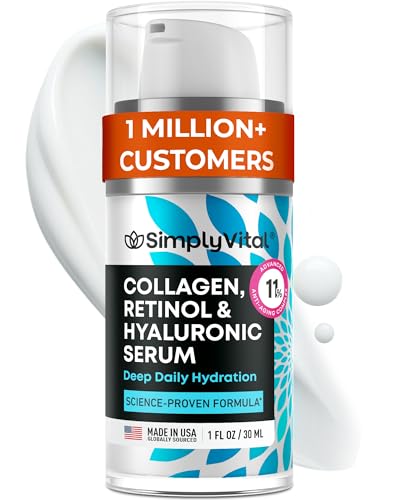
This hydrating daily serum combines hyaluronic acid with collagen and retinol, designed to be layered under or over other products. It uses an airless pump for controlled dispensing and is aimed at smoothing, plumping, and supporting skin texture across face, neck, and décolleté. Begin with 2-3 applications per week if you’re sensitive, then increase as tolerated. Always follow with SPF during the day when using retinol.
ELBBUB Premium Vitamin C Serum With Hyaluronic Acid

This plant-based vitamin C serum blends hyaluronic acid with botanical extracts and amino acids. The formulation emphasizes anti-aging benefits, hydration, and antioxidant protection, designed to support collagen and skin luminosity. The natural-leaning ingredients cater to users seeking fewer synthetic additives while still targeting visible signs of aging and uneven texture.
L’Oréal Paris Revitalift Hyaluronic Acid Serum

Designed for multi-depth hydration, this serum combines low- and high-molecular-weight hyaluronic acids with vitamin C to boost radiance and plumpness. It promises immediate hydration and progressive firming over a week, making it suitable for all skin tones and types. The lightweight formula aims for dewy skin without a heavy residue, supporting a radiant complexion in daily routines.
Skin Synergy Collagen & Vitamin E Serum

Skin Synergy combines collagen with vitamin E in a Korean skin care-inspired formula. It targets dryness and loss of firmness while supporting smoother texture and resilience. The product emphasizes a clean beauty approach, vegan and cruelty-free, with a focus on daily use for visible improvements in hydration and skin feel.
Buying Guide: Key Purchase Considerations
- Skin type and concerns: Choose serums with ingredients that align with your goals—vitamin C for brightness, hyaluronic acid for hydration, retinol for texture, or barrier-supporting ceramides for sensitive or dry skin.
- Concentration and formulation: Higher vitamin C (percent) can be effective but may irritate sensitive skin; start with lower concentrations and patch-test. Hyaluronic acid provides humectant hydration at varying molecular weights; multi-weight blends target multiple skin layers.
- Stability and ingredients: Look for stable vitamin C forms (such as ascorbic acid or sodium ascorbyl phosphate) and minimal synthetic additives if you prefer clean formulas. Fragrance-free options are better for sensitive users.
- Layering and compatibility: Serums should layer well with your moisturizer and sunscreen. When combining actives (retinol, vitamin C), consider alternating night use or starting with milder formulations to reduce irritation.
- Ethics and sourcing: If cruelty-free, vegan, or clean beauty certifications matter to you, review product labels and brand statements for transparency.
- Allergen risk and skin tolerance: Patch-testing new serums helps detect irritation or reactions, especially with retinol or strong actives. Hydrating serums are generally gentler for sensitive skin.
- Budget and value: Compare active ingredient concentrations, bottle size, and repeat-use cost. A slightly higher upfront cost can offer longer-lasting results if the formula is well-tolerated.