Answering the most common buyer question: which retinol serum for the face delivers visible smoothing without overwhelming sensitive skin? This guide compares five well-rounded options and clarifies who each is best for. It will help you pick a serum that targets fine lines, texture, and glow, while considering skin type and tolerance. The top picks include lightweight formulas for beginners, barrier-supporting blends for sensitive skin, and stronger formulations for experienced users.
| Product | Brand | Key Benefit |
|---|---|---|
| The Ordinary Retinol 1% in Squalane | The Ordinary | High-strength retinol with conditioning squalane |
| CeraVe Resurfacing Retinol Serum | CeraVe | Encapsulated retinol with barrier-supporting niacinamide |
| La Roche-Posay Retinol B3 Serum | La Roche-Posay | Gradual-release retinol with niacinamide and hyaluronic acid |
| RoC Retinol Correxion Deep Wrinkle Serum | RoC | Targeted anti-wrinkle formula with retinol complex |
| BIYSBER Retinol Collagen Serum | BIYSBER | Retinol with peptides and hydration from hyaluronic acid |
The Ordinary Retinol 1% in Squalane

Best for: experienced retinol users who want a potent option with a simple approach. This formula uses 1% retinol in squalane to deliver anti-aging benefits while maintaining skin conditioning. It is particularly suitable for those who have tolerated retinol products before and want strong, visible smoothing of lines and texture. The squalane base helps reduce dryness often associated with retinol use.
Why selected: The high-strength retinol targets fine lines and uneven texture efficiently. The squalane carrier supports moisture, reducing potential irritation and helping skin adapt over time.
Caution: Start with small amounts and limit usage to every other night to monitor tolerance. Avoid using with other strong actives like AHA/BHA on the same night to reduce irritation.
CeraVe Resurfacing Retinol Serum

Best for: those seeking retinol with skin barrier support and a focus on post-acne texture. This serum uses encapsulated retinol with barrier-friendly ingredients to smooth skin tone while minimizing irritation, aided by licorice extract and niacinamide for brightening and calming effects.
Why selected: Encapsulated retinol allows a slow release, which can improve tolerability for sensitive or reactive skin. The inclusion of niacinamide and licorice helps reduce redness and mild discoloration associated with blemishes.
Limitation: Some users may require longer adaptation to see the full benefits; begin with a few applications per week and gradually increase frequency as tolerated.
La Roche-Posay Retinol B3 Serum

Best for: beginners or sensitive skin that needs a gentler retinol option. This serum blends gradual-release retinol with niacinamide and hyaluronic acid to renew texture while maintaining moisture and reducing visible lines gently.
Why selected: It is designed for people who are new to retinol or have sensitive skin. The B3 (niacinamide) and hydration help minimize irritation and improve skin barrier resilience during adaptation.
Limitation: The gradual-release approach means slower visible results compared with higher-strength serums; consistency over weeks is essential.
RoC Retinol Correxion Deep Wrinkle Serum

Best for: those focused on visible reduction of deeper wrinkles with a clinically inspired formula. RoC combines retinol with a mineral complex to promote skin renewal and hydration in a daily-use product.
Why selected: A long-standing option in retinol skincare, known for supporting smoother skin texture and reduced depth of wrinkles with regular use.
Caution: Avoid overuse to prevent dryness or irritation, especially if you have dry or reactive skin. Pair with a good moisturizer and sunscreen during the day.
BIYSBER Retinol Collagen Serum
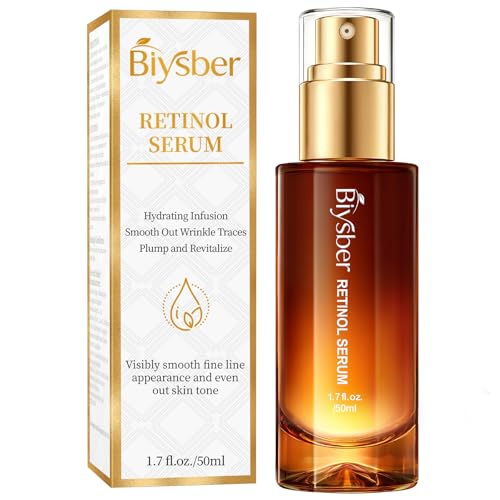
Best for: people seeking a peptide-forward retinol serum with strong hydration. This formula combines retinol, peptides, squalane, and hyaluronic acid for a firmer feel and a smooth finish.
Why selected: The peptide blend supports collagen structure and elasticity, while hydration from hyaluronic acid helps reduce dryness common with retinol use.
Limitation: The multi-ingredient approach may not suit those with very sensitive or reactive skin; patch testing is advised.
Buying Guide: Practical Considerations For Choosing A Retinol Serum
What strength should I start with?
Beginners typically benefit from lower concentrations (0.1%–0.3%) or encapsulated forms designed for gradual introduction. Those with prior retinoid experience may opt for higher strengths (0.5%–1%) with careful titration.
Which ingredients support skin while using retinol?
Niacinamide, hyaluronic acid, and ceramides help maintain moisture, support barrier function, and calm irritation. Squalane is a good moisturizer-compatible carrier for many retinol formulas.
How do I introduce retinol into a routine?
Start with 1–2 nights per week, then gradually increase frequency as tolerated. Avoid layering with strong acids on the same night; apply moisturizer after retinol to reduce dryness.
What type of packaging matters?
Opaque, airtight bottles protect retinol from light and air exposure, helping stabilize the ingredient and extend shelf life. Pumps or droppers can help with controlled application.
Who should avoid retinol altogether?
Pregnant or breastfeeding individuals should consult a clinician. Those with active facial skin conditions may require professional guidance before starting retinol.
How does retinal differ from retinol?
Retinaldehyde (retinal) tends to convert to retinoic acid more readily than retinol, potentially offering faster results with different tolerance. Start slowly if trying retinal products.
Frequently Asked Questions
- What is retinol used for on the face?
Retinol helps reduce fine lines, improve texture and tone, and promote a more radiant complexion when used consistently.
- Is retinol safe for sensitive skin?
Yes, but start with lower strengths and consider encapsulated or gradual-release formulas to minimize irritation.
- Can retinol be used with niacinamide?
Yes. Niacinamide can support barrier function and calm irritation; many formulations pair them together.
- How long before I see results?
Most users notice gradual improvements after 4–12 weeks, with more noticeable changes over several months.
- Should I use sunscreen with retinol?
Yes. Retinol can increase sun sensitivity, so daily sunscreen is recommended.
- What if I experience irritation?
Pause use, reduce frequency, and ensure adequate hydration and barrier support before resuming.