Answering the need for a sensitive-skin friendly retinol, this guide highlights five gentler options ideal for beginners or those prone to irritation. Each product prioritizes barrier support, calm formulas, and gradual retinol delivery. Best for first-time retinol users, those with reactive skin, or anyone seeking milder anti-aging benefits without harsh redness.
Buyer type overview:
– Beginners and sensitive skin: The Ordinary, Good Molecules, and La Roche-Posay offer low- to moderate-strength retinols with soothing ingredients.
– Barrier-conscious users: CeraVe and BYOMA emphasize ceramides, niacinamide, or barrier-supporting bases to minimize dryness.
– Preference for multi-action serums: Niacinamide and hyaluronic acid are common across options to address moisture and uneven texture.
Overview Of Selected Products
| Product | Main Benefit For Sensitive Skin | Key Gentle Features |
|---|---|---|
| The Ordinary Retinol 0.2% in Squalane | Beginner-friendly retinol | Low strength; squalane base; nourishes dry skin |
| CeraVe Retinol Serum with Niacinamide & Hyaluronic Acid | Barrier-friendly, soothing serum | Encapsulated retinol; non-irritating texture; adds moisture |
| Good Molecules Gentle Retinol Cream | Gentle nightly retinol option | Cream base; aims for firmer, plumper-looking skin |
| La Roche-Posay Retinol Face Serum with Niacinamide & Hyaluronic Acid | Beginner-friendly, brightening | Pure & gradual release retinol; niacinamide; hydration |
| BYOMA Sensitive Retinol Oil | Barrier-supporting oil for sensitive skin | Barrier lipid-rich base; squalane; redness reduction |
The Ordinary Retinol 0.2% in Squalane

The Ordinary Retinol 0.2% in Squalane offers a mild retinol formula designed for first-time users and those with sensitive or reactive skin. The low retinol concentration helps improve the appearance of fine lines, wrinkles, and uneven skin tone while a squalane base nourishes and reduces dryness commonly associated with retinol use. Best for sensitive skin with retinoid-curious individuals who want a gentle entry point.
Best for: Retinol beginners seeking a step-up from basic cleansers without significant irritation.
Why selected: It provides a solvent-free, gentle introduction to retinol with moisturizing squalane, reducing the risk of dryness or flaking typical in stronger formulas.
Limitations: As a low-strength option, results may be slower; may not deliver rapid improvement for stubborn wrinkles.
CeraVe Retinol Serum for Face with Niacinamide & Hyaluronic Acid

This serum uses encapsulated retinol via MVE Technology to deliver gradual retinol release while supporting the skin barrier. Niacinamide calms the complexion, and hyaluronic acid provides lasting hydration. Fragrance-free and non-comedogenic, it’s a strong pick for sensitive skin that wants retinol benefits without irritation.
Best for: Users who want a balanced retinol experience with moisture and barrier support.
Why selected: Encapsulated retinol minimizes abrupt irritation, while niacinamide and hyaluronic acid target redness and dryness for a calmer routine.
Caution: May take longer to see dramatic anti-aging changes than higher-strength retinols; begins with every other night use for some.
Good Molecules Gentle Retinol Cream
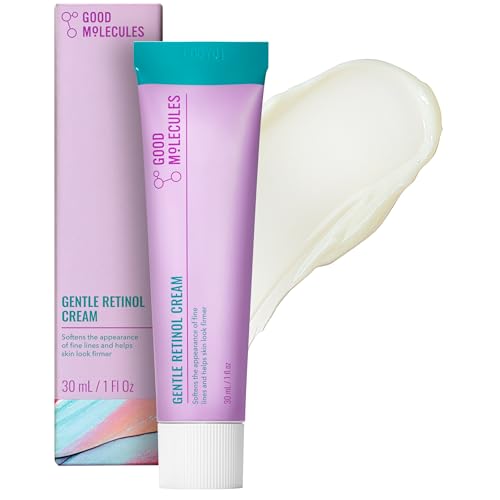
The Good Molecules Gentle Retinol Cream emphasizes a soothing, cream-based formula designed to be gentle on skin. It aims to soften the look of fine lines and improve skin firmness while delivering a plumper, smoother appearance with less dry, flaky texture. A practical choice for those who want retinol benefits without rough dryness.
Best for: People who prefer a cream texture and want a more forgiving retinol experience at night.
Why selected: Its gentle formulation reduces common retinol side effects and supports smoother texture over time.
Limitation: Results may be modest compared to higher-strength serums, particularly for advanced aging concerns.
La Roche-Posay Retinol Face Serum with Niacinamide & Hyaluronic Acid

This serum blends retinol with niacinamide and hyaluronic acid to support hydration and brighten the complexion. It is designed to be suitable for sensitive skin and retinol beginners, promoting improved texture and a more even tone. The gradual release retinol helps reduce the risk of irritation while still providing anti-aging benefits.
Best for: Sensitive skin users who want visible texture improvement without abrupt irritation.
Why selected: The combination of niacinamide and hyaluronic acid enhances barrier support and moisture, making retinol more tolerable for newcomers.
Caution: Some users may experience mild initial irritation as the skin adjusts to retinol.
BYOMA Sensitive Retinol Oil
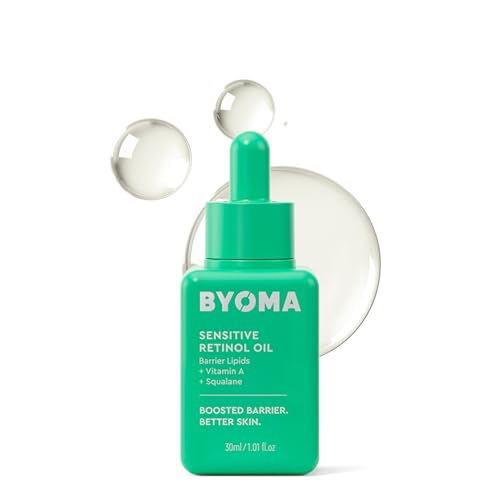
BYOMA’s Sensitive Retinol Oil is formulated for delicate or barrier-prone skin. It uses a barrier-supporting base with squalane to lock in moisture while vitamin A derived actives target fine lines. The oil form can feel more hydrating and less drying than heavier retinol creams, making it a solid option for those who react to standard retinoids.
Best for: Sensitive skin types that tolerate oils and want to reduce redness while pursuing anti-aging benefits.
Why selected: The oil’s barrier-friendly base helps mitigate common retinol discomfort, promoting more consistent nightly use.
Limitation: Oils can feel heavy for some, potentially clogging pores in very oily or acne-prone skin if overused.
Buying Guide: Key Considerations For Sensitive Skin Retinol
What strength should I start with?
Low-strength retinols (0.02% to 0.2%) are typically best for sensitive skin. They reduce the risk of irritation while still delivering measurable improvements over time.
What ingredients support a sensitive skin routine?
Look for barrier-supporting ingredients like ceramides, niacinamide, and hyaluronic acid. Fragrance-free formulas also reduce irritation risk.
Should I choose a serum, cream, or oil?
Serums with encapsulated retinol provide gradual delivery. Creams add moisture and plumpness, while oils can offer barrier protection and a gentler feel for some skin types. Sensitive skin often benefits from a combination: a gentle retinol product plus a hydrating, barrier-supporting follow-up.
How quickly will I see results?
Visible improvements in texture and tone may take 4–12 weeks, especially with gentle strengths. Consistency matters more than intensity for sensitive skin.
How do I minimize irritation during use?
Introduce retinol gradually (every other night or 2–3 times a week), apply to dry skin, and use a moisturizer afterward. Sunscreen is essential daily to protect new skin cells.
Who should avoid retinol entirely?
Pregnant or breastfeeding individuals should avoid retinol unless advised by a physician. Those with active eczema or severe skin irritation should consult a dermatologist before starting retinol.
FAQ: Quick Answers For Your Retinol Questions
- Is retinol safe for sensitive skin? Yes, when starting with a low-strength formula and focusing on barrier-supportive ingredients.
- Can I use retinol every night? Start slowly (every 2–3 nights) and increase as your skin tolerates it.
- Should I pair retinol with niacinamide? Yes, niacinamide can calm skin and support barrier health when used with retinol.
- Do I need sunscreen every day? Yes, retinoids can increase sun sensitivity, so daily sunscreen is essential.
- What’s the benefit of an encapsulated retinol? It delivers retinol gradually to reduce irritation while delivering benefits over time.
- What if I experience redness or peeling? Reduce frequency, apply a richer moisturizer, and consider a gentler product or formula with barrier-supporting ingredients.