Yes, retinol-based products can help manage acne while improving texture and tone. This guide picks five retinol- and retinoid-focused options that balance acne control with skin gentleness. Best for: those who want a targeted retinoid approach (including adapalene) or a gentler self-care routine with soothing ingredients. The table below highlights each pick’s best use case and a key benefit to compare quickly.
| Product | Brand | Best For | Key Benefit |
|---|---|---|---|
| CeraVe Resurfacing Retinol Face Serum with Niacinamide | CeraVe | Post-acne marks and uneven texture | Encapsulated retinol with barrier-supporting ceramides |
| La Roche-Posay Effaclar Adapalene Gel 0.1% | La Roche-Posay | Clear blackheads and clogged pores | Prescription-strength retinoid-like action OTC, for long-term prevention |
| Differin Acne Retinoid Treatment Gel 0.1% | Differin | Moderate to persistent acne | Adapalene-based retinoid that normalizes skin turnover |
| AcneFree Retinol Blemish Mark Resurfacing Serum | AcneFree | Acne marks and pore refinement | Retinol with hyaluronic acid and niacinamide for hydration and resiliency |
| Good Molecules Gentle Retinol Cream | Good Molecules | Gentle retinol for sensitive skin | Soft, cream-based formula designed for gentler use |
CeraVe Resurfacing Retinol Face Serum with Niacinamide

Reference features indicate a post-acne serum with encapsulated retinol to smooth texture and reduce post-acne marks. Niacinamide and licorice root brighten skin while aiding calming effects. This product emphasizes barrier repair through its ceramide-rich formulation and is fragrance-free and non-comedogenic. Best for: buyers seeking a daily retinol step that also targets post-inflammatory hyperpigmentation without added fragrance. Caution: as with most retinoids, introduce gradually to avoid irritation, especially if you have sensitive skin or a history of irritation.
La Roche-Posay Effaclar Adapalene Gel 0.1% Acne Treatment

Featuring adapalene 0.1%, this OTC gel is designed to prevent new acne and help clear existing blemishes by normalizing skin cell turnover. Dermatologist-developed positioning and its prescription-strength retinoid mechanism aim at preventing clogged pores. Best for: those who want a potent, once-daily retinoid option without a prescription. Caution: adapalene can cause initial dryness or irritation; use moisturizer and sunscreen during daytime.
Differin Acne Retinoid Treatment Gel 0.1% Adapalene
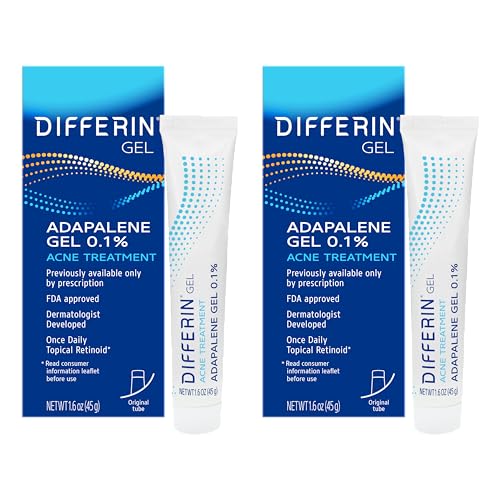
Differin’s gel targets acne by regulating skin turnover and reducing clogged pores and inflammation. The 0.1% adapalene formulation is positioned as a prescription-strength retinoid option available OTC, suitable for morning or evening use as part of a routine. Best for: users seeking a well-established retinoid with proven pore-clearing action. Caution: adapalene may cause initial dryness; layer with a gentle moisturizer.
AcneFree Retinol Blemish Mark Resurfacing Serum

This serum blends retinol with hyaluronic acid for hydration and niacinamide to boost barrier resilience and minimize pores. It aims to smooth the skin, help reduce acne marks, and protect the barrier while refining texture. Best for: those who want a retinol routine that includes hydrating ingredients to offset potential dryness. Caution: retinol products can cause temporary redness or irritation during initial use; reduce frequency if irritation occurs.
Good Molecules Gentle Retinol Cream
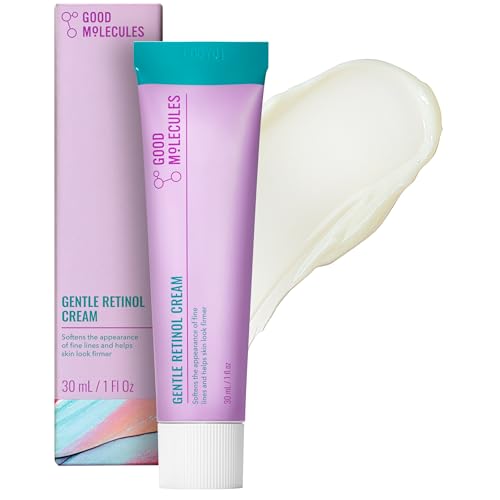
Good Molecules presents a gentle retinol-based cream, designed to soften the appearance of fine lines and provide a plumper, smoother look. The formula emphasizes gentleness, suitable for sensitive skin while still delivering retinol-like benefits. Best for: riders who want a milder retinoid option that can be used nightly or a few times per week. Caution: as with any retinol, consider patch testing and gradual build-up to avoid irritation, especially if you have sensitive or reactive skin.
Buying Guide: Key Purchase Considerations
- Retinoid type and strength: Adapalene (Differin, La Roche-Posay) is often milder and well-tolerated for beginners, while retinol-based serums (CeraVe, AcneFree, Good Molecules) vary in potency. Choose based on skin sensitivity and acne severity.
- Skin type compatibility: Look for fragrance-free and non-comedogenic options if you have oily or acne-prone skin. For dry or sensitive skin, formulas with hydrating ingredients (hyaluronic acid, ceramides) are preferable.
- Targeted concerns: If your primary goal is post-acne marks, select products specifically addressing pigmentation (licorice root extract, niacinamide). If you want pore refinement, prioritize formulations highlighting pore-minimizing effects.
- Usage pattern: Start with nightly use or every other night to build tolerance. Pair with sunscreen during the day, as retinoids can increase photosensitivity.
- Allergen and ingredient awareness: Check for potential irritants you may react to and consider fragrance-free options for sensitive skin.
FAQ
- What is the difference between retinol and adapalene?
Retinol is a vitamin A derivative that gradually promotes cell turnover and collagen production, while adapalene is a synthetic retinoid with targeted anti-acne action and generally milder irritation for many users. - Can retinoids cause skin irritation?
Yes, some users may experience redness, flaking, or dryness at first. Start slowly and moisturize, increasing frequency as tolerated, and use sunscreen daily. - Is retinol suitable for all skin types?
It can be used by many skin types, but those with very sensitive or very dry skin should start with lower-strength formulations and patch testing. If irritation occurs, discontinue use and consult a dermatologist. - Should I use retinoids with other acne treatments?
It’s common to combine with gentle cleansers and moisturizers, but avoid layering strong exfoliants or acidic products at the same time to minimize irritation. Consult a dermatologist for a personalized routine. - How long before I see results?
Most users notice changes in texture within 4–12 weeks, with pigmentation changes taking longer. Consistent, correct use yields the best long-term improvement.