Managing facial redness while achieving a smooth, even makeup base can be challenging. The best primers for redness help neutralize imperfections, soothe sensitive skin, and extend makeup wear. Below is a summary table of top-rated primers designed specifically to combat redness, while nourishing and protecting your skin. These primers feature key ingredients like niacinamide, green pigments, and cica extracts to achieve optimal results.
| Product | Features | Brand |
|---|---|---|
| Elizabeth Mott Thank Me Later Color Correcting Primer | Green color corrector, niacinamide, cica, cruelty-free, anti-aging benefits | Elizabeth Mott |
| e.l.f. Tone Adjusting Face Primer | Green-tinted formula, skin smoothing, suitable for all skin types, vegan | e.l.f. |
| L’Oreal Paris Prime Lab Redness Eraser Primer | Niacinamide, blurring effect, extends makeup wear up to 24 hours, dermatologist tested | L’Oreal Paris |
| Maybelline Face Studio Master Prime Blur + Redness Control | Lightweight, water-based, dermatologist tested for sensitive skin, redness counteracting pigments | Maybelline |
| Touch in Sol Redness Correcting Base Primer | Green pigments, pore minimizing, anti-wrinkle, calms rosacea and redness | Touch in Sol |
Elizabeth Mott Thank Me Later Color Correcting Primer

This multi-tasking green cream primer works effectively to reduce the appearance of facial redness while providing soothing and moisturizing benefits. It contains niacinamide and cica, known for their calming and anti-inflammatory properties, which help neutralize uneven skin tones. Ceramides support the skin’s natural barrier, preventing irritation, while hyaluronic acid boosts hydration. Suitable for all skin types including dry and sensitive, this primer also offers anti-aging benefits by improving elasticity and reducing wrinkles. It is cruelty-free, Leaping Bunny approved, and formulated using breakthrough Korean beauty ingredients, ensuring high-quality skincare performance beneath makeup.
e.l.f. Tone Adjusting Face Primer For Redness

The e.l.f. Tone Adjusting Primer is a versatile green-tinted product designed to counteract redness and even out complexion. It features a silky, skin-smoothing formula that feels lightweight and soft on the skin. Its universal suitability makes it ideal for all skin types, including sensitive and acne-prone skin. This primer preps the skin for flawless makeup application by neutralizing redness without masking natural skin texture. Additionally, it is vegan and cruelty-free, aligning with clean beauty standards.
L’Oreal Paris Prime Lab Up to 24H Redness Eraser Primer
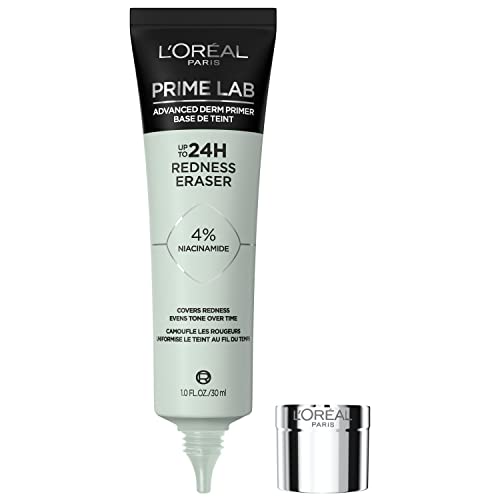
This advanced redness eraser primer from L’Oreal contains niacinamide, a skin-brightening ingredient that visibly minimizes redness and extends makeup longevity for up to 24 hours. The lightweight formula instantly smooths skin and provides a blurring effect that refines the complexion. Dermatologist tested and free of parabens, it’s safe for sensitive skin and non-comedogenic to prevent clogging pores. Its innovative skincare-infused approach offers both immediate color correction and long-term skin benefits.
Maybelline Face Studio Master Prime Blur + Redness Control
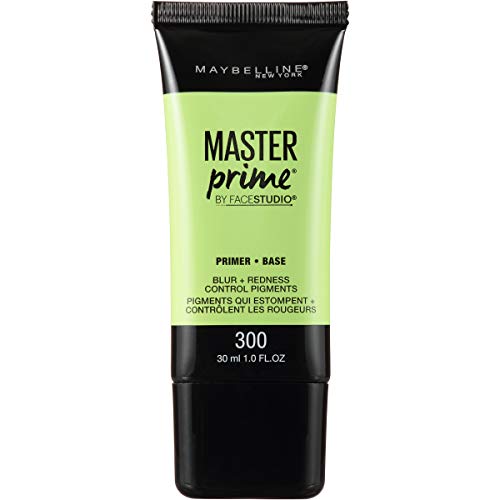
Maybelline’s Blur + Redness Control Primer primes the skin with pigments that neutralize redness while blurring imperfections. This water-based, lightweight formula is non-oily and suitable for sensitive skin, as dermatologists and allergy testing confirm its skin-friendly properties. It creates a smooth, even canvas for foundation or can be worn alone for a natural, luminous glow. The primer also helps minimize the look of fine lines, contributing to a flawless makeup finish throughout the day.
Touch in Sol Redness Correcting Base Primer

This green-toned makeup base by Touch in Sol is formulated specifically to neutralize redness and soothe irritated skin, making it ideal for rosacea and acne scarring. Its lightweight texture hydrates without feeling sticky, while active ingredients like cica help calm and reduce inflammation. The formula includes pore-minimizing agents that tighten skin and reduce the appearance of wrinkles and fine lines. Additionally, it provides a protective barrier against UV rays, supporting skin health beneath makeup.
Buying Guide: How to Choose the Best Primer for Redness
Choosing an effective primer for redness involves considering multiple factors to ensure it suits your skin’s needs and makeup routine. Below are essential points to help guide your purchase.
Key Ingredients
- Green pigments: Used to neutralize red tones on the skin by color correction.
- Niacinamide: Reduces inflammation and strengthens the skin barrier, improving redness over time.
- Cica (Centella Asiatica): Soothes sensitive or irritated skin while accelerating healing.
- Hyaluronic Acid: Hydrates skin, preventing dryness that can exacerbate redness.
- Ceramides: Help reinforce and protect the skin’s natural barrier from irritants.
Skin Type Compatibility
- Sensitive Skin: Opt for primers labeled fragrance-free, hypoallergenic, or dermatologically tested.
- Dry Skin: Choose moisturizing primers with hydrating ingredients.
- Oily or Acne-Prone Skin: Non-comedogenic, mattifying formulas that reduce shine and minimize pores are ideal.
Texture and Finish
- Lightweight, non-greasy textures prevent a heavy feel and keep makeup natural-looking.
- Matte finish helps control oil and shine for longer-lasting makeup.
- Satin or luminous finishes add radiance but may not fully conceal redness.
Additional Benefits
- Extended makeup wear: Primers that lock in foundation help maintain flawless skin throughout the day.
- Anti-aging properties: Ingredients that improve skin elasticity and texture provide dual benefits.
- Sun protection: Some primers include SPF or UV protection, critical for preventing redness caused by sun damage.
- Cruelty-free and vegan options cater to ethical and lifestyle preferences.
Price and Brand Reputation
While affordability is important, investing in primers from reputable brands known for quality formulations can deliver better skin results. Reading reviews and ingredient lists helps avoid products that may contain irritants or allergens.
Patch Testing
Always perform a patch test on sensitive areas before fully applying a new redness-correcting primer. This can prevent adverse reactions and help determine compatibility with your skin.