For gua sha practitioners seeking smoother tool glides, choose oils that absorb well, nourish the skin, and don’t clog pores. This guide highlights five effective options, outlining who they’re best for and why. The top picks include lightweight carrier oils and oil blends that work well with gua sha tools, rollers, and lymphatic massage. Ideal buyers include skincare enthusiasts, professionals, and anyone seeking de-puffing benefits during routine facial massage.
Summary of selected products:
- Cliganic Organic Jojoba Oil — best for ultra-pine, non-greasy hydration; single-ingredient care.
- The Ordinary Rose Hip Seed Oil — best for aging signs and even skin tone; organic and unrefined.
- GEMELLE Lymphatic Facial Oil — best for targeted gua sha rituals; potent botanicals and soothing texture.
- Good Molecules Squalane Oil — best for lightweight hydration and quick absorption.
Cliganic Organic Jojoba Oil For Skin

Best for: individuals who want a pure, non-greasy hydration option that won’t interfere with gua sha glide. This oil is a 100% pure jojoba with no additives, making it suitable for layering with serums or moisturizers after gua sha sessions. It’s ideal for daily facial care, nail care, and hair conditioning due to its lightweight, fast-absorbing formula.
Why selected: It’s a single-ingredient oil that is USDA organic certified and hexane- and fragrance-free, reducing potential irritants during facial massage. Its non-greasy finish helps tools move smoothly over the skin.
Caution: Packaging varies; look for the new label but verify that the oil remains 100% pure jojoba with no added fillers.
The Ordinary Rose Hip Seed Oil

Best for: those seeking hydration with potential improvements in skin tone and elasticity. Rose hip seed oil offers natural support for uneven tone and signs of aging, making it a strong complementary option after gua sha sessions when skin may feel dehydrated.
Why selected: It’s 100% organic, cold-pressed, and unrefined, aligning with clean skincare routines. The oil helps with radiance and suppleness, enhancing the results of gua sha rituals over time.
Caution: May feel heavier for very oily or acne-prone skin; consider patch testing before full-face application post-gua sha if you have sensitive skin.
GEMELLE Lymphatic Gua Sha Face Oil

Best for: users who perform regular gua sha with attention to lymphatic drainage and puffiness reduction. This oil is formulated to glide smoothly on the skin and supports facial sculpting rituals with Bakuchiol, rosehip, Centella Asiatica, and other actives.
Why selected: It’s specifically designed for gua sha tools and massage, encouraging circulation and moisture without clogging pores. The lightweight texture works well for all skin types and is travel-friendly with a 15ml size.
Caution: For those with sensitive skin, test a small area first due to multiple active botanicals that could cause irritation in rare cases.
Good Molecules Squalane Oil For Face
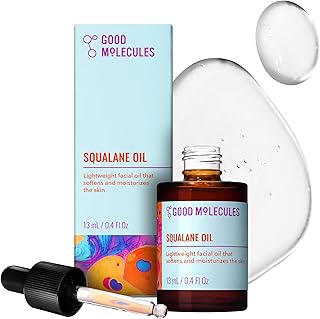
Best for: people seeking a weightless, fast-absorbing facial oil that layers easily with gua sha serums and moisturizers. Squalane oil mimics skin’s natural moisture and provides a clean, non-greasy finish.
Why selected: Its skin-affinity hydration and quick absorption help maintain comfort during gua sha sessions, reducing drag on tools and preventing shine buildup.
Caution: While generally suitable for all skin types, very dry skin may benefit from layering with a richer moisturizer after gua sha to lock in hydration.
Bruizex Guasha Face Oil

Best for: gua sha and massage practitioners who want a comprehensive slip oil with a supportive blend of vitamins and botanicals. It’s designed to glide smoothly across the skin, aiding facial contoured work and lymphatic drainage rituals.
Why selected: The formula includes hyaluronic acid, vitamins A, C, and E, plus botanical extracts to nourish skin while providing glide for gua sha tools. It suits both morning puffiness reduction and evening nourishment.
Caution: The base includes multiple actives; perform a patch test if you have sensitive or reactive skin to avoid irritation during massage.
Buying Guide: Oils For Gua Sha And Facial Massage
- Gauge glide versus absorption: Choose a lightweight oil (like squalane or jojoba) for quick absorption and minimal drag, or a richer blend (rose hip, bakuchiol-containing oils) for extra nourishment during longer sessions.
- Skin type alignment: For oily or acne-prone skin, lean toward non-greasy, non-comedogenic oils. For dry or mature skin, consider slightly richer options to lock in moisture post-session.
- Botanical actives: Some oils include botanicals and antioxidants that may support hydration and radiance but could irritate sensitive skin. Patch testing is recommended for new products.
- Purity and additives: Prefer single-ingredient oils or clearly labeled formulas. Fragrance-free options reduce risk of irritation during gua sha therapy.
- Tool compatibility: Oils designed for gua sha routines should offer a smooth slip with stones, jade rollers, and silicone cups without leaving a heavy residue that interferes with tool movement.
- Packaging and freshness: Light-protective bottles help preserve oil quality. Look for oils that are stored in amber or dark glass and keep them away from heat and sunlight.
FAQ
- What oil is best for gua sha? A lightweight, quickly absorbing oil like squalane or jojoba is ideal for smooth tool glide and minimal residue.
- Can I use rose hip seed oil after gua sha? Yes, rose hip seed oil can support skin tone and elasticity, especially after massage. Patch test first if you have sensitive skin.
- Is fragrance-free important for gua sha oils? Fragrance-free formulas are generally preferable to minimize irritation during facial massage and tool use.
- Should I patch test oils before gua sha? Always patch test new oils on a small area of skin to check for irritation or allergic reactions before full-face use.
- Can I mix oils for gua sha? Yes, you can layer a lighter oil under or over a richer one, but ensure the skin feels comfortable and the tool movement remains smooth.
- Are these oils safe for all skin types? Most are suitable for a range of skin types, but individuals with very sensitive or reactive skin should proceed with caution and patch testing.
Note: This article presents product descriptions and guidance based on provided features and common skincare considerations. Always follow product packaging instructions and consult a dermatologist for personalized recommendations.