Best for fading spots and brightening skin tone, these Korean skincare options target melasma and post-inflammatory hyperpigmentation. This guide highlights five products with ingredients like arbutin, tranexamic acid, niacinamide, and vitamin C. Ideal for readers seeking clearer, more even complexions without harsh treatments, and for those who prefer gentle routines comparable to professional regimens. The buyer-friendly table below helps compare key traits at a glance.
All skin types
| Product | Main Benefit | ||
|---|---|---|---|
| TOSOWOONG Arbutin Cream | Fade dark spots, even skin tone | Arbutin, Glutathione | |
| Anua Niacinamide 10 + TXA 4 Serum | Brightens and reduces dullness | Sensitive to normal | 10% Niacinamide, 4% TXA, 2% Arbutin |
| DR.Melaxin TX Tranexamic Acid Cream | Uniform complexion over time | All skin types | Tranexamic Acid, Niacinamide, Hyaluronic Acid |
| CARE:NEL Melasma Treatment Cream | Targets dark spots with brightening and soothing | All skin types | 5% Niacinamide, 2% Cica, TXA |
| SEONGLOW Dark Spot Corrector Serum | Reduces hyperpigmentation with multi-ingredient complex | All skin types | 10% Niacinamide, TXA, Vitamin C, Arbutin |
What follows is a closer look at each product. Each entry explains who should consider it, why it’s a good fit for melasma concerns, and a practical note to watch for during use.
TOSOWOONG Arbutin Cream for Dark Spots

This high-concentration cream blends 7% Arbutin with three key ingredients to address post-inflammatory hyperpigmentation and UV-induced discoloration. It supports fading melanin-based spots and promoting a more even, radiant complexion. Best for readers seeking a potent spot-fading option with a lightweight finish.
Best for: Individuals with noticeable dark spots and a want-for-fast-acting brightening. Consider this if you tolerate a richer texture and want a product that targets multiple pigment concerns in one step.
Caution: Suitable for most skin types, but sensitive skin should test first due to active brightening agents.
Anua Niacinamide 10 + TXA 4 Serum

This serum blends 10% Niacinamide with 4% Tranexamic Acid and 2% Arbutin for a focused approach to dullness and spot reduction. It also includes ceramides and hyaluronic acid to maintain moisture, making it suitable for sensitive or dry skin. Best for: Those who want a balanced, non-greasy serum that layers easily under moisturizer and sunscreen.
Limitation: Serums with multiple actives can require careful layering to avoid irritation on very sensitive skin.
DR.Melaxin TX Tranexamic Acid Cream

Tranexamic Acid Cream targets a more uniform complexion and helps reduce the appearance of freckles and blemishes. Niacinamide is included to further support a smoother texture, while hyaluronic acid and collagen peptides aid in hydration and elasticity. Best for: Users seeking an all-around brightening routine that also strengthens hydration and gentle anti-aging signals.
Limitation: Some users may need several weeks of consistent use to notice distinct changes in pigmentation.
CARE:NEL Melasma Treatment Cream
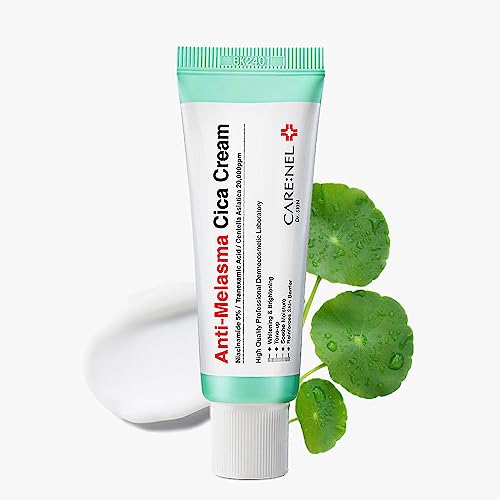
This formula combines 5% Niacinamide with 2% Cica and Tranexamic Acid to brighten while calming sensitive skin. It emphasizes dark spot reduction and barrier support, making it suitable for users dealing with redness or irritation in pigment-prone areas. Best for: Those with reactive skin who want a targeted pigment-fighting product with soothing benefits.
Limitation: A higher concentration of active brighteners can require cautious patch testing for very sensitive individuals.
SEONGLOW Dark Spot Corrector Serum

This serum combines 10% Niacinamide with a 4-in-1 dark spot complex that blends tranexamic acid, vitamin C, and arbutin. It targets stubborn marks while promoting a brighter, more even complexion. Best for: Viewers needing a multi-ingredient approach to melasma with an emphasis on brightening and texture refinement.
Limitation: Vitamin C can increase sensitivity to sun; use with sunscreen during the day.
Buying Guide
Key considerations when selecting a melasma-focused product:
- Active ingredients: Tranexamic acid, arbutin, niacinamide, and vitamin C are common in melasma formulas. Look for a combination that fits your skin type and sensitivity level.
- Skin type compatibility: If you have sensitive or dry skin, prioritize creams with hydrating components (hyaluronic acid, ceramides) to prevent irritation.
- Layering and regimen: Consider how the product fits into your existing routine. Serums layer well under moisturizers and sunscreen; creams are often applied after serums.
- Consistency and timeframe: Pigment correction typically requires several weeks of consistent use. Choose a product with a texture you can sustain daily.
- Barrier support: Products including ceramides or centella asiatica help maintain skin barrier integrity, reducing sensitivity during brightening.
- Sun protection: Melasma care requires daily sunscreen; brightening ingredients are most effective when paired with SPF.
Frequently Asked Questions
- Can these products cure melasma? They can help reduce the appearance of dark spots and even skin tone but may not cure melasma completely. Consistent use and sun protection are essential.
- Which ingredient is best for persistent dark spots? Tranexamic acid and niacinamide are commonly effective for reducing pigment depth and visible discoloration over time.
- Are there any safety concerns with NIACINAMIDE at high percentages? Niacinamide is generally well tolerated, but high concentrations can irritate very sensitive skin in some individuals. Patch testing is advised.
- Should I stop using products if irritation occurs? Yes. If irritation, redness, or burning occurs, reduce frequency or discontinue and consult a dermatologist if needed.
- Is wearing sunscreen enough during melasma treatment? Sunscreen is essential; it protects treated skin from UV-triggered re-pigmentation and supports ongoing results.
- How soon will I see results? Some users notice improvements within 4–8 weeks, with continued progress over several months depending on skincare consistency and skin type.