If you’re battling breakouts, selecting the right face toner can help reduce oil, unclog pores, and calm inflamed skin. This guide focuses on toners designed for acne-prone skin, highlighting options with salicylic or glycolic acids, plus alcohol-free formulas. It’s ideal for adults and teens seeking a simple step in their routine that supports clearer texture without sacrificing moisture.
Summary of selected products (best for quick comparison):
- Thayers Blemish Clearing Toner (2% salicylic acid) — best for gentle, alcohol-free acne control.
- Neutrogena Acne Stress Control Toner (2% salicylic acid) — best for oil control and triple-action cleansing.
- The Ordinary Glycolic Acid 7% Toner — best for exfoliation and brightening, compatible with acne-prone skin.
- Zeroca 86 Toner — best for sensitive, acne-prone skin with light hydration and oil balance.
- La Roche-Posay Effaclar Clarifying Solution — best for pore refinement with a dual-acid exfoliation.
Thayers Blemish Clearing Salicylic Acid Toner

Best for: Skin that needs a fragrance-free, alcohol-free acne toner with a strong yet gentle 2% salicylic acid punch. The formula includes Witch Hazel and Aloe to soothe while it clears oil and blocks new blemishes. This is a solid pick for those who want a non-drying option that preserves moisture barriers.
Why selected: It combines dermatologist-like actives with plant extracts to calm and purify without stripping. It’s well-suited for daily use on acne-prone, sensitive, or reactive skin types who prefer fragrance-free products.
Limitations: Some users may require additional hydrating steps if they have very dry skin in arid climates. Patch testing is advised for sensitive individuals.
Neutrogena Acne Stress Control Toner

Best for: Oily, acne-prone skin that benefits from a multitarget approach. The 2% salicylic acid formula with MicroClear technology helps deliver active ingredients while reducing shine and unclogging pores. Suitable for daily use as part of a comprehensive acne regimen.
Why selected: It targets three core needs: preventing acne, unclogging pores, and oil reduction. The lightweight, oil-free composition makes it a versatile choice for combination skin too.
Limitations: Some users may experience tightness if combined with harsh cleansers; balance with a hydrating serum or moisturizer afterward.
The Ordinary Glycolic Acid 7% Toner
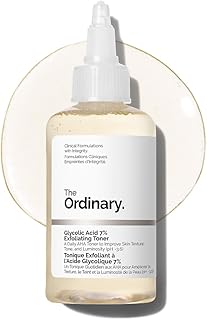
Best for: Those seeking regular exfoliation to improve texture and brightness, with a simple, affordable option. Glycolic acid helps refine pores and promote a more even tone when used consistently.
Why selected: A straightforward exfoliating toner that supports smoother skin and radiance. It can be effective as a complement to salicylic-based routines, especially for individuals not sensitive to alpha-hydroxy acids.
Limitations: Not ideal for highly sensitive or compromised skin; may cause irritation if overused or combined with other strong exfoliants. Sun sensitivity is increased, so sunscreen is essential.
Zeroca 86 Toner

Best for: Sensitive, acne-prone skin needing a lightweight, fast-absorbing toner that controls oil and reduces redness. It’s fragrance-free, which supports reactive skin types.
Why selected: The formula emphasizes calming redness and balancing oil without heavy residue. It’s a practical pick for users who want an uncomplicated, step-easy routine.
Limitations: The “lightweight” claim means it may be less hydrating on very dry skin; pair with a hydrating moisturizer if needed.
La Roche-Posay Effaclar Clarifying Solution

Best for: Those with oily skin seeking pore refinement and gentle exfoliation with both salicylic and glycolic acids. It helps remove dead skin cells and smooth texture.
Why selected: It addresses multiple concerns common in acne-prone skin, including clogged pores and texture, while maintaining a gentle approach suited to sensitive complexions.
Limitations: The combination of acids may be too strong for extremely sensitive skin; start slowly and monitor tolerance. Sunscreen is important during use due to exfoliation.
Buying Guide: Key Considerations For Choosing A Face Toner For Acne
- Active ingredients: Look for salicylic acid (BHA) for unclogging pores and glycolic acid (AHA) for exfoliation and brightness. A combination may suit some routines, but avoid layering too many acids in one regimen.
- Skin type compatibility: Alcohol-free formulas are generally gentler for dry or sensitive skin. Oily or acne-prone skin may tolerate stronger toners with exfoliating acids.
- Sensitivity and patch testing: Always patch test new toners on a small skin area to detect irritation before full-face application.
- Moisture balance: If your skin feels tight after toning, pair with a hydrating serum or moisturizer to maintain the skin barrier.
- Usage frequency: Start with 2–3 times per week if you’re new to exfoliating toners; increase gradually as tolerated.
- Combination routines: Consider how toners fit with cleansers, serums, and treatments to avoid over-exfoliation or conflicting actives.
FAQ
- What is the main benefit of using a toner for acne? It helps remove residual oil and debris, refine pores, and prepare skin to better absorb subsequent treatments.
- Should I use salicylic acid or glycolic acid toner first? Salicylic acidtoners target clogged pores and oil control; glycolic acid toners focus on exfoliation and brightness. Some routines combine both, but do so cautiously.
- Can toner replace a cleanser or treatment? No. Toner complements cleansers and treatments by supporting pore care and texture improvements.
- How do I know if a toner is right for sensitive skin? Choose fragrance-free or alcohol-free formulas and start with lower frequency to monitor irritation.
- Is patch testing necessary for every toner? Yes, especially if you have reactive or sensitive skin, to prevent widespread irritation.
- Can toners cause sun sensitivity? Yes, especially with glycolic or higher-strength acids; always use sunscreen during the day.