Redness-prone skin benefits from carefully selected facial oils that soothe inflammation, support the skin barrier, and deliver lightweight hydration. This guide highlights five fan-favorite options that target redness while keeping the complexion balanced. Each product offers distinct ingredients—from calming botanicals to redness-reducing vitamins—so you can compare textures, ingredients, and intended uses side by side. Below you’ll find concise product overviews, an at-a-glance summary, and a comprehensive buying guide to help you choose confidently.
| Product | Brand | Key Benefit |
|---|---|---|
| Pacifica Kale Yeah! Redness Rehab Serum | Pacifica | Niacinamide with greens for redness relief and pore refinement |
| e.l.f. SKIN PLZ Clarify Facial Oil | e.l.f. | Salicylic acid clarity for acne-prone, redness-prone skin |
| Palmer’s Cocoa Butter Formula Skin Therapy Oil | Palmer’s | Multi-oil blend with vitamin E, C and rosehip for hydration and anti-aging benefits |
| Kate Blanc Rosehip Oil for Face | Kate Blanc Cosmetics | Organic rosehip for soothing hydration and radiant glow |
| Elastalift Tea Tree Oil Facial Spot Treatment | Elastalift | Tea tree with witch hazel to reduce redness from blemishes and congestion |
Note: All five products are designed to support redness-prone or sensitive skin by delivering lightweight moisture, barrier-supporting nutrients, and targeted anti-inflammatory ingredients. Always patch-test new oils and introduce products gradually to monitor skin response.
Pacifica Kale Yeah! Redness Rehab Serum

The Pacifica Redness Rehab Serum is built around niacinamide (vitamin B3) to visibly reduce redness and blotchiness while improving overall skin tone. It is described as a must-have for irritated or reactive skin, helping calm inflammation associated with blemishes or rosacea-prone complexions. With consistent use, niacinamide can also refine pores and regulate oil production, contributing to a smoother, more even complexion over time. The formula includes plant peptides and a greens blend that provides additional support for elasticity and resilience, supporting the skin’s natural renewal process. This product is suitable for sensitive or redness-prone skin types seeking a soothing, lightweight serum.
e.l.f. SKIN PLZ Clarify Facial Oil
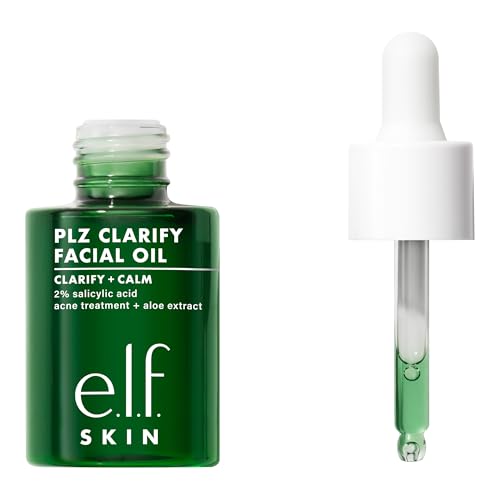
The e.l.f. SKIN PLZ Clarify Facial Oil aims to clarify clogged pores and prevent new blemishes while calming redness on stressed skin. It is formulated with 2% salicylic acid (BHA), licorice derivative, and aloe extract. This oil is particularly suitable for dry, oily, and combination skin types that struggle with redness linked to congestion or breakouts. The combination of exfoliating acid and soothing plant ingredients helps reduce rough texture and promotes a more even complexion without excessive drying. Users seeking an acne-conscious option that also addresses redness may find this oil appealing.
Palmer’s Cocoa Butter Formula Skin Therapy Oil

Palmer’s Skin Therapy Oil blends multiple nourishing oils with vitamin E, vitamin C, and a rosehip oil blend to deliver deep hydration and help reduce the appearance of fine lines and wrinkles. The product emphasizes a cocoa butter-rich formula to maintain moisture and support skin suppleness. The inclusion of Cetesomate Complex supports essential vitamins and nutrients, and the overall message emphasizes sustainable sourcing for shea, cocoa butter, and coconut oil. This option aims to provide a robust moisturizing effect that can help calm redness by supporting a healthier skin barrier and reducing visual signs of aging. It is suitable for those seeking a versatile oil with multi-benefit properties for face and body use.
Kate Blanc Rosehip Oil for Face

Kate Blanc Cosmetics Rosehip Oil is an organic, cold-pressed rosehip oil designed to hydrate and revitalize the skin. It is lightweight and fast-absorbing, delivering omega fatty acids that support a smoother, more radiant complexion. The formula is suitable for gua sha massage routines, helping to facilitate a smooth glide and promote relaxation while aiding in moisture retention. Rosehip oil is commonly used to improve the appearance of dry or uneven skin and can support elasticity. This option appeals to users seeking a natural, non-greasy moisturizer that contributes to a healthy glow without heavy occlusion.
Elastalift Tea Tree Oil Facial Spot Treatment

Elastalift Tea Tree Oil Facial Spot Treatment combines tea tree oil with witch hazel to target redness associated with blemishes, enlarged pores, and dry, itchy skin. The formula emphasizes non-irritating use and is designed to help cleanse and regenerate the skin while delivering anti-inflammatory properties. Tea tree oil is known for its antimicrobial benefits, which can be helpful for those dealing with recurring breakouts that contribute to visible redness. This product is positioned for spot treatment rather than daily facial oil use, offering a precise approach to redness management where blemishes are present.
OC8 Professional Anti Shine Mattifying Gel
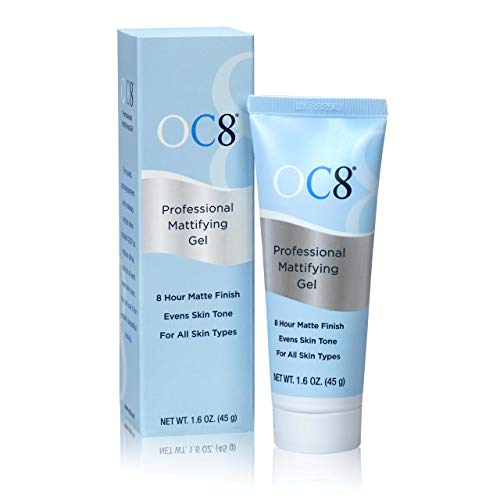
Note: This section is included to provide a broader context of redness management, particularly for those who combine facial oils with targeted shine control. The OC8 Mattifying Gel is designed to absorb oils, even skin tone, and reduce shine for long-lasting matte results. While not a facial oil, it complements redness-focused regimens by helping to minimize oil-related redness and irritation that can occur with shine. It’s especially relevant for those with oily skin who want a balanced base before or after applying facial oils.
Derma E Vitamin C Glow Face Oil

Derma E Vitamin C Glow Face Oil blends vitamin C with turmeric, seabuckthorn, and red raspberry for brightening and hydrating benefits. The natural formula aims to deliver a radiant glow while supporting skin health and resilience. It is suitable for all skin types, including sensitive or oily skin, and emphasizes a non-greasy finish. The turmeric component is known for soothing properties, while seabuckthorn provides nourishment, making this option appealing for those seeking a vitamin-rich, antioxidant-forward oil that can help reduce dullness and redness over time.
Buying Guide: Key Considerations for Choosing a Redness-Friendly Face Oil
- Skin type compatibility: For redness-prone skin, choose lightweight, non-comedogenic oils if you have oily skin, or nourishing but non-greasy blends for dry skin. Patch-testing remains essential.
- Active anti-inflammatory ingredients: Niacinamide, tea tree, licorice, aloe, and certain plant extracts can help reduce redness and calm irritation. Consider whether you prefer soothing botanicals or gentle exfoliants like salicylic acid for congested pores in moderation.
- Barrier support vs. brightening: Oils with vitamin C can brighten, while oils with fatty acids and ceramides support the skin barrier. Evaluate your primary goal: soothing redness or improving texture and tone.
- Texture and finish: If you dislike a heavy feel, opt for lightweight, fast-absorbing oils (e.g., rosehip or rosehip blends). For very dry or mature skin, richer formulas may be appropriate but test first for sensitivity.
- Multi-use vs. spot treatment: Some products are designed for daily use while others target specific blemishes. Plan how you intend to incorporate oil into your routine (AM/PM, prior to moisturizer, or as a spot treatment).
- Fragrance and sensitivity: Fragrance-free options reduce the risk of irritation. Those with rosacea or very sensitive skin should prioritize fragrance-free or minimal-scent formulas.
- Source and sustainability: If ethical sourcing matters, prefer brands with transparent ingredient sourcing and sustainable production practices, such as responsibly sourced cocoa butter and rosehip oil.
- How to layer with other products: Oils generally go after serums and toners, and before moisturizer. If layering with water-based products, allow for proper absorption time to avoid pilling or over-wetting the skin.
- Patch-testing guidance: Apply a small amount to a discreet area for 24-48 hours to observe any adverse reactions, particularly if you have sensitive or reactive skin.
Choosing the right face oil for redness involves weighing soothing ingredients, texture preferences, and your overall skincare goals. By comparing niacinamide-rich formulations, anti-inflammatory botanicals, and barrier-supportive oils, you can build a regimen that minimizes redness while preserving hydration and comfort.