The top picks below are practical exfoliators for the body, chosen for different skin needs. This guide helps shoppers decide which product fits best, whether you want a mitt, a scrub, or a body wash. Ideal buyers include those seeking gentle daily use, deep pore cleansing, dry-skin renewal, or keratosis pilaris-friendly options. A quick summary table after the intro highlights each option’s focus and best-for profile.
| Product | Best For | Key Benefit |
|---|---|---|
| Yiclick Exfoliating Body Scrubber | All-over shower routines | Dual-texture, secure grip, reversible use |
| Dermasuri Exfoliating Glove | Smoother, glowing skin | Gentle keratosis pilaris friendly exfoliation |
| Brooklyn Botany Exfoliating Mitt | Rough skin and textures | Heavy-duty exfoliation for body |
| Tree Hut Vitamin C Sugar Scrub | Dry skin and glow | Brightening and hydrating sugar scrub |
| Naturium Smoother Glycolic Body Wash | Daily cleansing with renewal | AHA blend for resurfacing |
Yiclick Exfoliating Body Scrubber (2 Pack)

Best for: Everyday shower routines with a focus on both exfoliation and gentle buffing. This 0.75-inch thick scrubber creates a rich lather with soap, delivering a spa-like experience. The dual-texture design includes a textured side for dead-skin removal and a soft cotton side for daily, sensitive care. Ergonomic, non-slip grip supports reaching all areas without slipping and the reversible strap adds versatility for vigorous scrubbing or mild washing.
Caution: The textured side is effective but may be too aggressive for very sensitive or healing skin; use the soft side first if you’re unsure.
Dermasuri Exfoliating Body Scrubber Glove
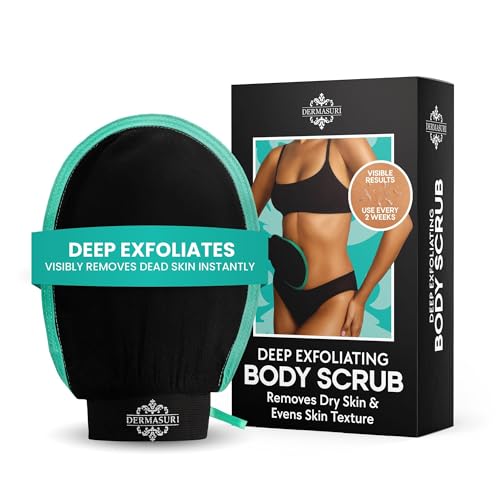
Best for: Gentle, radiant skin and keratosis pilaris-friendly exfoliation. This Korean kessa glove lifts away dead skin and buildup, helping to smooth texture and prepare skin for moisturizers. It is suitable for use in hammams or daily scrubbing as part of a broader exfoliation routine.
Limitation: May require careful handling to avoid over-exfoliating; use on damp skin and follow with a moisturizer to prevent irritation.
Brooklyn Botany Exfoliating Mitt

Best for: Heavy-duty exfoliation in the bath or shower. This mitt is designed to buff away dead skin cells, helping to texture-even out rough areas. It’s a practical alternative to a washcloth or brush and supports a smoother, softer complexion after use.
Limitation: May feel too abrasive for very sensitive or reactive skin types; pair with a gentle cleanser and limit use to a few times per week if needed.
Tree Hut Vitamin C Sugar Scrub

Best for: Dry skin that benefits from brightening and hydration. This sugar scrub uses natural sugar crystals to polish away dull skin, while shea butter and vitamin C help moisturize and revitalize the look of skin with a summery scent profile including pink grapefruit and coconut.
Limitation: This is a sugar-based scrub; it can be slightly gritty and may leave a residue if not rinsed thoroughly.
Naturium The Smoother Glycolic Acid Body Wash

Best for: Daily cleansing with surface renewal. This body wash uses an AHA blend—glycolic, lactic, pyruvic, and tartaric acids—to exfoliate while red algae hydrates, promoting a softer, smoother appearance. Suitable for all skin types and can be used as a facial cleanser as well.
Limitation: Like all chemical exfoliants, start slowly to monitor tolerance and avoid concurrent use with retinoids or other potent actives without guidance.
Buying Guide
What type of exfoliator should I choose?
Consider texture and use. Mitts and loofahs provide mechanical exfoliation for rough patches, while body scrubs and exfoliating washes offer chemical or mixed-action benefits. For sensitive skin, start with a soft mitt or gentle scrub and increase intensity gradually.
How often should I exfoliate the body?
Most people benefit from 1–3 times per week, depending on skin sensitivity and product type. Daily cleansing with a mild formula can be paired with a weekly deeper scrub for targeted areas.
Which ingredients indicate gentleness or effectiveness?
Gentle options include soft fibers, cotton textures, or non-abrasive surfaces. Effective exfoliation uses alpha hydroxy acids (AHAs) or simple mechanical action with controlled grit. For keratosis pilaris, choose products specifically marketed as KP-friendly or with moderate exfoliation.
What should I pair exfoliators with?
Pair with a hydrating body wash or moisturizer to prevent dryness. If using chemical exfoliants, apply sunscreen during daytime use as skin may become more sensitive to sun exposure.
How do I choose for body versus face?
Body products are generally more robust or textured. Avoid gritty scrubs on the face to prevent irritation. Use dedicated body exfoliators for the torso, arms, and legs, and reserve gentler, dermatologist-recommended products for facial care.
What are practical pros and cons of common formats?
- Mitts and gloves: Strong exfoliation, reusable, easy to grip; can be abrasive for sensitive skin.
- Scrubbers with dual textures: Versatile; one side for deep exfoliation and one for gentle buffing.
- Body scrubs with sugar or salt: Visibly buff dead skin; may leave residue if not rinsed.
- Glycolic or AHA washes: Chemical exfoliation; good for regular renewal but start slowly to assess tolerance.
Frequently asked questions
- Q: Is body exfoliation safe for sensitive skin? A: Yes, but start with milder textures and lower exfoliant strength, and limit frequency to prevent irritation.
- Q: Can I use a body exfoliator every day? A: For most people, daily use is not necessary; opt for 1–3 times per week depending on product strength and skin sensitivity.
- Q: Do I need to moisturize after exfoliation? A: Yes. Exfoliation can remove protective surface oils, so applying a hydrating moisturizer or oil helps lock in moisture.
- Q: Can exfoliants help with keratosis pilaris? A: Some products may improve appearance when used consistently, especially those marketed for KP or with controlled exfoliation.
- Q: Should I avoid exfoliating if I have active skin issues? A: If you have irritation, open wounds, or infections, skip exfoliation until healed and consult a dermatologist if needed.
- Q: Are chemical exfoliants safe on all body areas? A: They are generally safe, but avoid mucous membranes and be cautious on sensitive areas; follow product directions.