Answering the search for even-toned skin, these creams target dark spots, discoloration, and rough patches. Each option suits different skin types and goals, from lightweight gels to rich creams. Use this guide to compare formulations, choose the best fit, and understand which product best matches your needs.
Summary table of chosen products:
| Product | Brand | Best For | Key Benefit |
|---|---|---|---|
| Azelaic Acid Suspension 10% | The Ordinary | Dull, blemish-prone skin | Brightens tone and smooths texture |
| Eventone Fade Cream for Dark Spots | Palmer’s | All skin types with dark spots | Slowly lightens discoloration without hydroquinone |
| Anti Dark Spot Face Cream with Vitamin E & Niacinamide | Palmer’s | Uneven tone & aging signs | Brightening, moisturizes with natural ingredients |
| Capsule Cream With Kojic Acid & Turmeric | medicube | Stubborn uneven patches | Customizable texture for daily use |
| Arbutin 7% + Tranexamic Acid 4% Cream | Roseblem | Delicate skin with pigmentation | Targets dark spots and tone with hydration |
Palmer’s Cocoa Butter Eventone Fade Cream for Dark Spots

Best for all skin types that want a daily moisturizer while fading discoloration. Formulated to target dark spots and age spots, it also supports suppleness and elasticity. Free of hydroquinone and parabens, it uses natural oils like shea and cocoa butter.
Why chosen: This fade cream provides a balanced approach—visible brightening with a hydrating base. It suits daily use and is appropriate for those avoiding harsh whitening agents. A potential limitation is that results may take several weeks of consistent use.
Who it’s best for: People seeking a hydrating fade cream that works across different skin types without hydroquinone. Ideal for those wanting a fragrance-free, paraben-free option with natural ingredients.
One caution: Individuals with sensitive skin should perform a patch test to rule out irritation from essential oils or cocoa butter components.
The Ordinary Azelaic Acid Suspension 10%

Best for dullness and uneven texture, especially for blemish-prone or rosacea-prone skin. The lightweight, cream-like formula brightens skin tone while supporting a smoother surface. It is suitable for daily use across skin types.
Why chosen: Azelaic acid helps normalize melanin production and provides antioxidant benefits, making it effective for uneven tone without harsh irritants. A caution is that it can cause mild flushing or tingling for some users at first use.
Who it’s best for: Individuals who want a multitasking treatment that targets texture and tone, including those with sensitive or rosacea-prone skin seeking a gentler option.
One limitation: It may not deliver dramatic changes as quickly as some stronger formulations, requiring consistent use over weeks.
Medicube Capsule Cream With Salmon DNA PDRN

Best for a brightening regimen focused on firming and hydration. This product uses a capsule approach to preserve PDRN’s effects, delivering a non-sticky gel texture that feels lightweight on the skin.
Why chosen: It offers an innovative delivery system to maintain active ingredients and deliver a glowy finish. The customizable capsule-to-gel mix lets users tailor texture and care level to daily routines. A caveat is that results can vary with capsule blending preferences.
Who it’s best for: Those who prioritize hydration, a fresh gel-cream feel, and an adaptable routine in a single product.
One limitation: The capsule blend may require experimentation to find the preferred texture for comfort and absorption.
Medicube Capsule Cream With Kojic Acid & Turmeric

Best for targeted uneven tone with kojic acid and turmeric. This line blends kojic acid’s tone-evening properties with turmeric’s soothing look, packaged in a customizable capsule-gel format for everyday use.
Why chosen: It combines a proven pigment-correcting ingredient with anti-inflammatory turmeric, offering balanced care for tone and comfort. A limitation is that kojic acid-based products can cause irritation in very sensitive skin; patch testing is advised.
Who it’s best for: Users seeking a targeted approach to uneven skin tone that also prioritizes skin comfort and a customizable texture.
Roseblem Arbutin 7% + Tranexamic 4% Cream
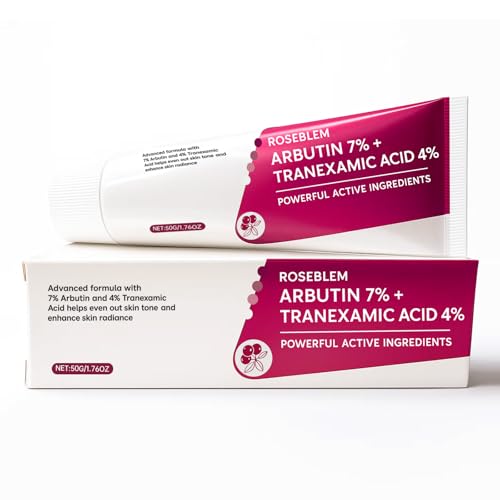
Best for a potent combination approach to dark spots with hydration. This cream uses 7% arbutin and 4% tranexamic acid to reduce pigmentation and improve tone consistency, while supporting moisture in the skin.
Why chosen: The duo targets melanin production and pigment dispersion for more even skin tone. A caution is that higher concentrations of active ingredients may increase sensitivity; patch testing is recommended for first-time users.
Who it’s best for: Individuals needing a stronger pigment-reducing regimen with hydration and a focus on clear, bright skin.
Buying Guide
What should you consider when choosing a cream for uneven skin tone?
Skin type and sensitivity: Pick formulas suited to your skin type (oily, dry, combination) and sensitivity. Lightweight gels are often better for normal to oily skin, while creams suit dry skin.
Active ingredients to look for
Azelaic acid, kojic acid, arbutin, tranexamic acid, vitamin C, and niacinamide are common tone-evening actives. Consider combinations that match your goals: texture improvement, brightening, or spot fading.
Why patch testing matters
Start with a small area to gauge irritation or sensitivity, especially with kojic acid, arbutin, or tranexamic acid products. Discontinue if irritation occurs.
Texture, absorption, and usage
Gel formulations absorb quickly and suit layering under sunscreen. Creams provide more hydration and can support longer-term moisture retention, beneficial for dry skin types.
Usage timing and routine
Apply a targeted treatment on clean, dry skin before moisturizer. Use sunscreen daily to protect treated skin from photo-damage and to prevent new pigment formation.
FAQ
- How long does it take to see improvements in skin tone?
- Can you mix these products with other skincare actives?
- Is hydroquinone-free in these options?
- Who should avoid Kojic Acid products?
- Should you use sunscreen with these products?
Most products show visible changes after several weeks of consistent use, with some benefits appearing in 2–4 weeks depending on ingredients and skin type.
Yes, but be cautious with potent combinations. Introduce one new active at a time and monitor for irritation.
Several listed products are formulated without hydroquinone, aligning with common consumer preferences for gentler options.
People with very sensitive or compromised skin may experience irritation. Patch testing is recommended before daily use.
Yes. Sunscreen helps prevent re-darkening and protects against UV-induced pigment changes, maximizing results.