If you’re shopping for a charcoal mask to purify pores and reduce excess oil, these five options are strong choices for different skin needs. The Ordinary targets blemish-prone skin with a salicylic acid blend. Origins focuses on deep cleansing with bamboo charcoal. Bioré offers a purifying, oil-free formula. YLNALO adds a peel-off option with tools for extraction. Mary Kay provides a deep-cleansing charcoal mask aimed at oil control. This guide helps you pick the right one for your skin type and goals.
| Product | Brand | Best For |
|---|---|---|
| The Ordinary Salicylic Acid 2% Masque | The Ordinary | Blemish-prone, oily skin; pore congestion |
| Origins Clear Improvement Active Charcoal Mask | Origins | Oily/combination skin; pore purification |
| Bioré Charcoal Whipped Purifying Detox Mask | Bioré | Oil control; gentle daily use |
| YLNALO Blackhead Remover Mask Kit | YLNALO | Blackheads and large pores; thorough cleansing |
| Mary Kay Deep-Cleansing Charcoal Mask | Mary Kay | Oil control; immediate shine reduction |
The Ordinary Salicylic Acid 2% Masque

What it is: A clarifying mask that combines charcoal and clay with salicylic acid to exfoliate and clear congested pores. It aims to remove dead skin cells and excess oil for a refreshed appearance.
Best for: Those with blemish-prone or oily skin who want targeted pore clarification and smoother texture. The product stresses pore congestion relief and a brighter surface.
Why it was selected: The salicylic acid component provides chemical exfoliation that complements the charcoal/clay’s deep cleansing, making it a strong option for regular use in a blemish-prone routine.
Caution: Salicylic acid can be drying; start with a patch test and limit use to 1–2 times per week if you have dry or sensitive skin.
Origins Clear Improvement Active Charcoal Mask
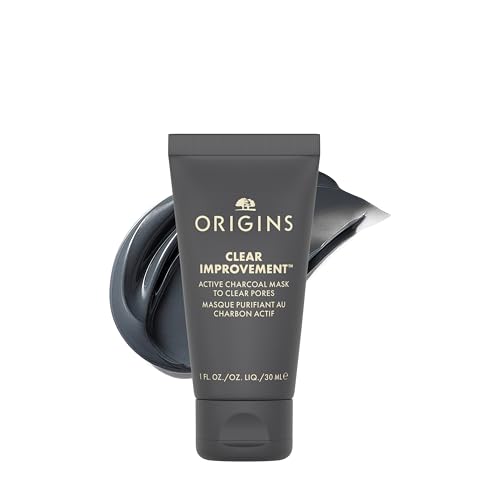
What it is: A pore-purifying mask that combines bamboo charcoal and clay to draw out impurities and reduce excess oil. Designed for normal, combination, and oily skin.
Best for: Consumers seeking a fragrance-free, travel-friendly solution to visibly reduce oiliness and refine pores.
Why it was selected: Its strong pore-clearing action is well-suited for daily or weekly use, delivering measurable texture improvements for oilier complexions.
Limitation: Fragrance-free does not guarantee it suits extremely sensitive skin; test on a small area first if sensitivity is a concern.
Bioré Charcoal Whipped Purifying Detox Mask

What it is: A non-comedogenic detox mask formulated with natural charcoal to draw out impurities and unclog pores. It’s oil-free and designed to leave skin feeling cleansed and refreshed.
Best for: Those who want a lightweight, daily-friendly charcoal mask that won’t add extra oil to the skin.
Why it was selected: The whipped texture provides a comfortable rinse-off experience, making it a practical everyday option for busy routines.
Limitation: May not deliver dramatic deep-cleansing results for very congested pores compared with stronger formulations.
Mary Kay Deep-Cleansing Charcoal Mask

What it is: A charcoal-rich mask designed to unclog pores and absorb excess oil quickly. Claimed to help skin appear clearer and less shiny after use.
Best for: Individuals seeking a strong oil-control mask that improves surface clarity and reduces shine on contact.
Why it was selected: It emphasizes immediate shine reduction and oil absorption, making it a dependable choice for daytime preparation or pre-event use.
Limitation: User experience can vary; people with very sensitive or dry skin should monitor for any tightness after use.
Buying Guide
What should I look for in a charcoal mask?
Key factors include pore-cleansing power, oil control, exfoliation type (physical vs. chemical), and skin type compatibility. If you have sensitive skin, fragrance-free formulas and gentler exfoliants are preferable. For oily or blemish-prone skin, masks with salicylic acid or strong purifying agents can offer faster clarity, but may require cautious use to avoid over-drying.
How to choose by skin type
- Oily or acne-prone: Look for masks with charcoal, clay, or salicylic acid for deeper cleansing and oil control.
- Dry or sensitive: Choose milder formulas with soothing ingredients; consider less frequent use to avoid over-drying.
- Combination: A balancing mask that purifies T-zones without over-drying other areas is ideal.
How often should you use a charcoal mask?
Many users start with 1–2 times weekly, adjusting based on skin response. Daily use is generally not recommended for targeted charcoal masks unless the product explicitly supports it and your skin tolerates it well.
What are common cautions?
- Patch test before first full-face application to check for irritation or redness.
- Avoid applying near the eye area or on broken skin.
- If you notice excessive dryness or irritation, reduce frequency or switch products.
How do I compare these options quickly?
- Best for blemish-prone and chemical exfoliation: The Ordinary.
- Best for oil control and fragrance-free formula: Origins Clear Improvement.
- Best for lightweight, daily-friendly use: Bioré Detox Mask.
- Best for targeted pore cleaning with added tools: YLNALO Kit.
- Best for immediate shine reduction: Mary Kay Deep-Cleansing Charcoal Mask.
FAQ
- Q: Do charcoal masks really unclog pores? A: They can draw out surface impurities and oil, helping to reduce the appearance of clogged pores when used as part of a routine.
- Q: Can I use these masks if I have sensitive skin? A: Yes, but start with a patch test and choose fragrance-free or milder formulas.
- Q: Should I use a charcoal mask before or after cleansing? A: Use after cleansing to maximize pore clarity and remove surface impurities.
- Q: Are there risks with peeling or pulling masks? A: Peel-off masks can irritate sensitive skin; use them as directed and avoid aggressive peeling near the delicate facial areas.
- Q: How do I decide between a clay-based mask and a peel-off mask? A: Clay-based masks purify and balance without pulling, while peel-off masks can remove surface debris and blackheads but may be harsher on sensitive skin.
- Q: Do these masks replace moisturizer? A: No; moisturizers help restore hydration after any mask that may temporarily dry the skin.