Choosing an antibacterial face wash can help manage breakouts, oiliness, and irritation. This guide highlights five effective options and provides a buying checklist to compare formulas, active ingredients, and suitability for different skin types. Below is a quick reference table of the chosen products to help you compare at a glance.
| Product | Brand |
|---|---|
| SkinSmart Antimicrobial Facial Cleanser | SkinSmart Antimicrobial |
| PanOxyl 10% Benzoyl Peroxide Acne Foaming Wash | PanOxyl |
| Katialis SOAP Sulfur Zinc Oxide Soap | Katialis |
| La Roche-Posay Effaclar Medicated Gel Cleanser | La Roche-Posay |
| Neutrogena Oil-Free Acne Face Wash | Neutrogena |
SkinSmart Antimicrobial Facial Cleanser
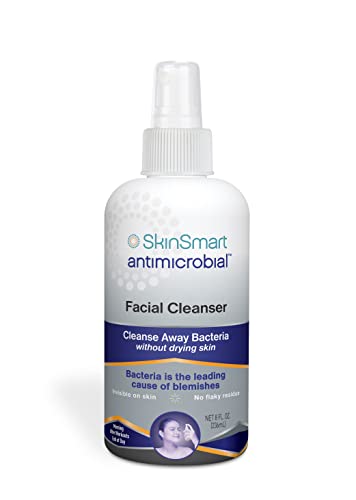
The SkinSmart Antimicrobial Facial Cleanser uses a hypochlorous acid formula aimed at targeting breakout-causing bacteria while minimizing dryness. It is described as safe for multiple daily uses and suitable for a range of skin types, including sensitive complexions. The formula emphasizes reducing irritation and flushing pores without leaving a chalky or oily residue behind. This makes it a potential option for people seeking a gentle yet effective antimicrobial cleanse for facial skin and for certain body areas.
PanOxyl 10% Benzoyl Peroxide Acne Foaming Wash
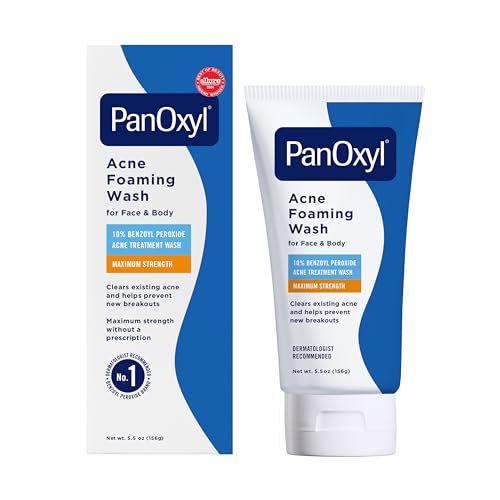
PanOxyl offers a maximum-strength benzoyl peroxide cleansing option designed to clear and prevent acne by killing bacteria that contribute to breakouts. The product is marketed as a daily foaming cleanser that works quickly, with claims of treating pimples and stubborn breakouts. Its 10% benzoyl peroxide formulation is a well-known dermatologist-recommended ingredient for acne management and is suited for users who can tolerate stronger over-the-counter treatments.
Katialis SOAP Sulfur Zinc Oxide Soap

Katialis SOAP combines sulfur, zinc oxide, and salicylic acid offer anti-bacterial and anti-fungal cleansing with keratolytic properties. This soap is described as safe and effective for facial cleansing and skin care beyond cleansing, targeting bacteria and fungal concerns while supporting a clear complexion. Its multi-action approach can be appealing for users managing blemishes linked to pore congestion and irritation.
La Roche-Posay Effaclar Medicated Gel Cleanser
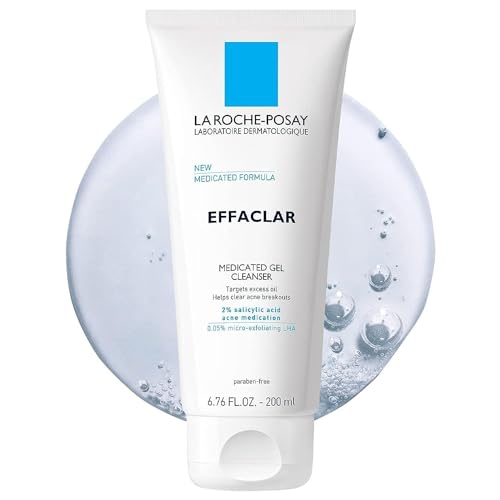
This foaming acne cleanser from La Roche-Posay blends 2% salicylic acid with LHA and glycerin to remove impurities while controlling oil. It is clinically shown to reduce excess surface oil and help prevent breakouts, making it a strong option for oily or acne-prone skin. The formula emphasizes a balance between effective cleansing and maintaining hydration, with a focus on minimizing irritation during everyday use.
Neutrogena Oil-Free Acne Face Wash
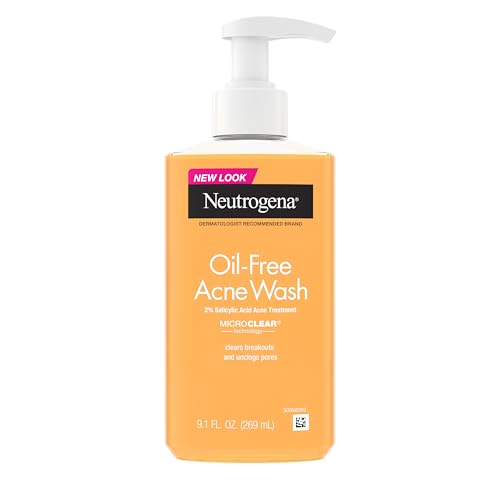
Neutrogena Oil-Free Acne Face Wash is designed to cleanse oily and acne-prone skin with salicylic acid. The non-comedogenic, oil-free formula aims to remove excess oil and impurities while treating acne and preventing future breakouts. It is positioned as a daily cleansing option that leaves skin feeling refreshed without over-drying, making it well-suited for users who prefer a lightweight feel.
Buying Guide
Key considerations when choosing an antibacterial or anti-acne facial cleanser:
- Active ingredient and strength: Benzoyl peroxide (PanOxyl) is strong for acne but can be drying; salicylic acid (La Roche-Posay, Neutrogena) helps with oil and pore clearing, typically better for sensitive or dry skin in lower concentrations.
- Skin type compatibility: Look for oil-free formulas for oily skin; more hydrating cleansers or those with glycerin can suit dry or sensitive skin.
- Target concerns: If you’re aiming to reduce bacteria-related irritation or backne, products with targeted surface action (e.g., hypochlorous acid in SkinSmart or antimicrobial cleansers) may be advantageous for specific areas.
- Formulation and usage: Foaming cleansers are often convenient and effective for acne-prone skin, while soaps may be harsher for sensitive complexions and should be used with caution around the face.
- Residue and feel: A cleanser should rinse clean without leaving a chalky, oily, or drying residue. Consider your preference for a matte or dewy finish.
- Brand and dermatologist guidance: Reputable brands with clinical backing or dermatologist recommendations can provide added assurance for sensitive skin or ongoing conditions.
- Usage pattern: Daily or twice-daily use varies by formula. Start with once daily and monitor skin reaction, especially with stronger actives like benzoyl peroxide.
This selection offers a range of actives and textures to address different skin types and concerns. For individuals with sensitive or reactive skin, starting with milder cleansers and gradually increasing frequency can reduce irritation. People with persistent acne or severe irritation should consider consulting a dermatologist for tailored recommendations.