The best acid-based facial treatments help clear blemishes, even tone, and refine texture. This guide highlights five reliable options and who they’re best for, so you can choose with clear, evidence-backed reasoning. Ideal buyers include: teens dealing with mild acne, adults managing congested pores, rosacea-prone skin seeking gentle exfoliation, and anyone looking to brighten dull complexions. Below is a quick reference table of the chosen products and their main focus to aid quick comparisons.
| Product | Main Focus | Best For |
|---|---|---|
| The Ordinary Salicylic Acid 2% Solution | Acne-fighting, pore clearing | Teen acne-prone skin and mild to moderate breakouts |
| Good Molecules Azelaic Acid 10% | Redness reduction, even tone | Rosacea-prone and sensitive complexions seeking calm texture |
| The Ordinary Azelaic Acid Suspension 10% | Brightening, uneven tone, texture | All skin types including sensitive, dealing with dullness |
| Paula’s Choice SKIN PERFECTING 2% BHA | Non-irritating pore unclogging, smoothing | Oily or combination skin with blackheads and enlarged pores |
| The Ordinary AHA 30% + BHA 2% Peeling Solution | Deep exfoliation for brightness and texture | Experienced users seeking strong resurfacing (not for sensitive skin) |
The Ordinary Salicylic Acid 2% Solution
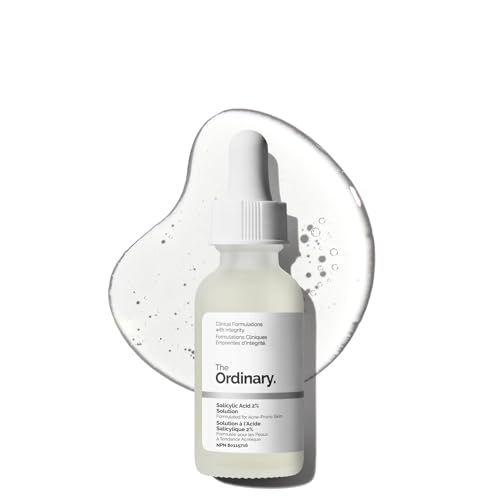
Key features: Targets acne and congestion by exfoliating the skin surface and penetrating pores to control blemishes. Helps skin heal, reducing acne severity and promoting a smoother, clearer complexion. Suitable for teenagers with mild to moderate acne seeking a gentle yet effective option.
Best for: Teens and young adults with occasional breakouts who want targeted pore clearing without heavy fragrance or irritants. Caution: Users with very sensitive or compromised skin should start with patch testing to avoid irritation.
Good Molecules Azelaic Acid 10% Treatment
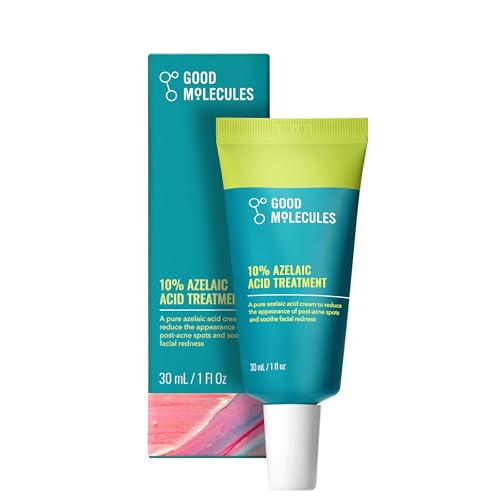
Key features: Gentle brightening with 10% azelaic acid helps improve uneven tone, dullness, and texture, supporting a clearer complexion. Designed to blur facial redness and refine texture, suitable for rosacea-prone skin and sensitive complexions. Hydrates and smooths over time, aiding fade of post-acne marks.
Best for: Those seeking a calm, balancing treatment to reduce redness and evening out skin tone. Caution: Azelaic acids can cause minor tingling for first-time users; discontinue if irritation persists.
The Ordinary Azelaic Acid Suspension 10%

Key features: Brightening formula targets dullness, uneven tone, and rough texture. Suitable for rosacea-prone skin and daily use, offering a gentle cream-like texture that smooths and refines the complexion.
Best for: All skin types seeking a daily, non-irritating option to improve radiance and evenness. Caution: Some users may experience mild initial dryness; follow with moisturizer.
Paula’s Choice SKIN PERFECTING 2% BHA

Key features: Gentle, non-abrasive leave-on exfoliant with 2% BHA that unclogs pores, smooths the skin, and brightens tone. Mimics the natural shedding process to clear pores while reducing redness and enlarged pores.
Best for: Oily or combination skin with blackheads and visible pores seeking daily-use exfoliation. Caution: Begin with every other day if you have sensitive skin, increasing frequency as tolerated.
The Ordinary AHA 30% + BHA 2% Peeling Solution

Key features: Advanced exfoliation combining AHA and BHA to reveal brighter, smoother skin. Enriched with hyaluronic acid, pro-vitamin B5, and black carrot for additional care. Use instructions emphasize a brief, controlled application to face and neck.
Best for: Those with dull, congested skin who can tolerate a stronger exfoliant used sparingly (not for sensitive or broken skin). Caution: Do not use more than recommended and avoid prolonged exposure to sunlight post-use.
The Ordinary Alpha Arbutin 2% + Hyaluronic Acid

Key features: Brightens and targets dark spots with 2% alpha arbutin, paired with hyaluronic acid for hydration. A practical option for improving uneven tone and boosting radiance over time.
Best for: Individuals seeking targeted pigment correction and hydration in a single routine. Caution: Arbutin may be less effective on very deep hyperpigmentation; expect gradual results.
Buying Guide: Key Considerations For Acid-Based Treatments
- Skin type and sensitivity: Start with lower concentrations if you have sensitive or reactive skin. Patch testing helps prevent irritation.
- Purpose and concentration: Choose salicylic acid for acne/pores, azelaic acid for redness and tone, or a combined AHA/BHA peel for advanced resurfacing. Higher concentrations or peels should be used less frequently.
- Daily vs. weekly use: Gentle daily exfoliants suit most, while multi-acid peels are safer as weekly treatments or under expert guidance.
- Moisture and barrier support: Hydrating serums and humectants complement exfoliants to protect moisture. Consider adding hyaluronic acid or a barrier-repair moisturizer.
- Sun exposure: Peels and acids can increase photosensitivity. Use broad-spectrum sunscreen daily and limit sun exposure after peels.
- Target problems: For acne, prioritize salicylic acid and BHA options; for redness or rosacea-prone skin, azelaic acid products may offer calming benefits.
FAQ
- How often should I use acid products on my face?
– Start with 2–3 times per week for most acids, then adjust based on skin tolerance and product instructions. - Can I mix multiple acid products in one routine?
– It’s best to avoid layering multiple acids at once to prevent irritation. Alternate usage or consult a dermatologist. - Is azelaic acid suitable for rosacea-prone skin?
– Yes, azelaic acid can help reduce redness and refine texture for sensitive or rosacea-prone skin. - Do acid treatments replace sunscreen?
– No. Sunscreen is essential daily, especially when using exfoliating acids that increase sun sensitivity. - What should I do if I experience irritation?
– Reduce frequency, rinse with water, skip the next application, and consider applying a soothing moisturizer. If irritation persists, seek professional advice. - Are these products safe for teenagers?
– Some formulations are suitable for mild to moderate acne in teens, but parental guidance and patch testing are recommended.