Answering the question “which retinol is best for sensitive skin?” this guide highlights gentle formulas that help reduce fine lines without causing irritation. The top picks target sensitive skin types, new retinol users, or those prioritizing barrier support with soothing ingredients. Each product section explains who it’s best for and why it was selected, plus practical cautions to consider during use.
| Product | |||
|---|---|---|---|
| CeraVe Retinol Serum | Encapsulated retinol with MVE Technology | Sensitive skin beginners | Fragrance-free, barrier-supportive |
| Good Molecules Gentle Retinol Cream | Cream formula designed to be gentle | Young adults and sensitive beginners | Softens fine lines with calm formula |
| The Ordinary Retinol 0.2% in Squalane | Low-strength retinol in emollient base | Absolute beginners or reactive skin | Great stepping stone to higher strengths |
| La Roche-Posay Retinol Serum | Pure gradual-release retinol with niacinamide and hyaluronic acid | Sensitive skin and retinol newbies | Balanced hydration and calming actives |
| PCA Skin 0.1% Retinol Treatment | Low concentration designed for sensitive skin | Skins prone to redness or irritation | Targeted for gentle cell turnover |
Note: This article is informational and highlights products with gentle formulations or barrier-friendly ingredients. Always patch-test new retinol products and follow product-specific directions for gradual introduction and nighttime use.
CeraVe Retinol Serum for Face with Niacinamide & Hyaluronic Acid

Best For: Beginners with sensitive or barrier-prone skin who want gentle retinol delivery. Why: Encapsulated retinol via MVE Technology provides slow release to reduce irritation while niacinamide supports calming the skin and hyaluronic acid helps lock in moisture. CeraVe’s fragrance-free, non-comedogenic formula makes it a cautious first step into retinol use. Caution: Start with every other night and monitor for redness or stinging as you build tolerance.
Good Molecules Gentle Retinol Cream
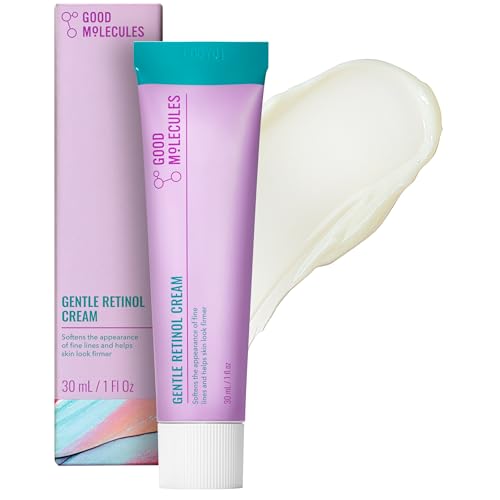
Best For: Sensitive skin users who prefer a cream texture for slower retinol adaptation. Why: The formula is designed to be gentle on skin, aiming to soften fine lines and improve firmness while minimizing dryness. Caution: Cream-based retinols can leave a temporary effect of light flaking as the skin adjusts; pair with a rich moisturizer and sunscreen during daytime use.
The Ordinary Retinol 0.2% in Squalane

Best For: Absolute beginners or sensitive users seeking a mild introduction to retinol. Why: A low 0.2% retinol concentration in a nourishing squalane base reduces dryness and irritation often associated with retinoids. Caution: If sensitivity occurs, reduce frequency or switch to a lower-strength option or alternate nights.
La Roche-Posay Retinol Face Serum with Niacinamide & Hyaluronic Acid

Best For: Sensitive skin types seeking a gentle retinol with added barrier-supporting actives. Why: This formulation blends retinol with niacinamide and hyaluronic acid for hydration and calmness, reducing the look of fine lines and uneven texture. Caution: Gradual introduction is advised; start with small amounts and monitor for irritation.
PCA Skin 0.1% Retinol Treatment for Sensitive Skin

Best For: Skins prone to redness or irritation who still want retinol benefits. Why: The 0.1% concentration emphasizes gentle exfoliation and cell turnover while aiming to minimize visible irritation. Caution: If you experience persistent redness, scale back frequency or consult a skincare professional.
Buying Guide: Retinols For Sensitive Skin
How strong should retinol be for sensitive skin? Start with the lowest effective strength (0.1%–0.2%) and use once every 2–3 nights, then increase gradually as tolerated. Consider formulas with soothing agents like niacinamide, squalane, and hyaluronic acid to support the skin barrier.
What ingredients support sensitive skin with retinol? Look for fragrance-free formulas, non-comedogenic products, and barrier-supportive components. Encapsulated retinol and slow-release technologies can reduce irritation by delaying absorption slightly.
Should you use sunscreen with retinol? Yes. Retinol increases sun sensitivity, so daytime sunscreen SPF 30+ is essential to protect skin and maintain results.
How to introduce retinol into a routine? Start with a small amount on clean skin, avoid mixing with strong actives at first (like high-percentage acids), and gradually increase frequency as skin builds tolerance. If you have ongoing redness or burning, pause and reassess strength or product choice.
Which product is best for beginners? The Ordinary Retinol 0.2% in Squalane and PCA Skin 0.1% Retinol Treatment are explicitly designed for sensitive skin and first-time retinol users due to their low concentrations and calming bases.
FAQ
- Is retinol safe for very sensitive skin? Yes, when starting with a low concentration and a barrier-friendly formula, monitoring reaction and increasing exposure gradually is advised.
- Can retinol cause redness or peeling? Mild dryness or flaking can occur during adaptation, especially with higher strengths; adjust frequency and use a hydrating moisturizer.
- Which ingredients help minimize irritation? Niacinamide, hyaluronic acid, squalane, and ceramides can support the skin while using retinol.
- Should retinol be used every night? For sensitive or new users, start with 1–2 nights per week and increase gradually as tolerated.
- Can retinol be used with other actives? Exercise caution with strong acids or benzoyl peroxide; consider using retinol on alternate nights from other potent actives.
- What is the best routine order? Cleanse, apply a lightweight moisturizer if needed, then apply retinol, and finish with sunscreen in the morning.