The best primers for dry skin hydrate, lock in moisture, and create a smooth canvas that foundations can glide onto. This guide highlights five standout options that address common dry-skin concerns: flakiness, visible texture, and makeup that won’t cling to dry patches. Each pick is evaluated for who it’s best for and why, with practical notes on texture, finish, and wear time. Ideal buyers include those with dehydrated or sensitive skin, those seeking a dewy finish, and anyone who wants makeup that lasts without caking.
Summary table of featured products
| Product | Why It’s a Good Pick for Dry Skin | |
|---|---|---|
| e.l.f. Hydrating Face Primer | Hydrating, lightweight | Deep moisturization and pore smoothing for an even base |
| e.l.f. Power Grip Primer | Gel-based, hydrating, grip | Hydrates while gripping makeup for long wear |
| Maybelline Grippy Serum Primer | Hydrating serum texture | Niacinamide boost and 24H wear with a plump look |
| Milk Makeup Hydro Grip Primer | Silicone-free gel, hyaluronic acid | Long grip with hydration and a dewy finish |
| Smashbox Photo Finish | Blurring, vitamin-enriched | Instantly smooths and minimizes pores for all skin types |
Below are five selective primers designed to suit different dry-skin needs, with clear guidance on who should choose each option and why it fits a “best for dry skin” context.
e.l.f. Hydrating Face Primer

Best for: Very dry or dehydrated skin that needs a substantial moisture boost. This primer hydrates while smoothing pores and fine lines, creating a comfortable base for long-lasting foundation. It’s a fitting choice for those who want a lightweight feel without sacrificing moisture.
Why selected: The formula emphasizes deep hydration and a smooth canvas, helping foundations apply evenly and resist caking on dry patches. It’s particularly helpful for pre-foundation prep in dry climates or for skin that drinks up product quickly.
Caution: If you prefer a completely mattifying finish, this may feel too dewy for ultra-oily skin days; use sparingly or pair with a light setting product.
e.l.f. Power Grip Primer

Best for: Those who want makeup that lasts and grips, especially where moisture is needed but weightless feel is desired. Suitable for dry-to-normal skin types seeking a natural finish with enhanced wear.
Why selected: This gel-based primer hydrates while providing a grip that helps makeup stay in place without heavy texture. It’s non-clogging and tolerates various skin types, making it a versatile dry-skin option.
Caution: Clear, natural finish means it may be less effective at significant pore filling compared with dedicated blurring primers.
Maybelline Grippy Serum Primer

Best for: Dry skin that benefits from hydration plus a long-wear finish without a white cast. Ideal for those who want a serum-like texture that transitions into a grip for makeup.
Why selected: Niacinamide supports skin health, and the 24-hour wear claim aligns with days when reapplication isn’t convenient. It provides hydration and a plump look while maintaining a transparent finish.
Caution: The gel-to-serum transition can feel tacky if layered with heavy products; allow a moment for setting before foundation.
essence Jelly Grip Hydrating Primer

Best for: Those who want a budget-friendly, hydrating base that also grips makeup for all-day wear. Suitable for those seeking a dewy finish without heavy silicones.
Why selected: The product emphasizes grip and glow, making it a practical option when a light, refreshing underlayer is desired. It suits everyday makeup routines and travel use.
Caution: Finish may emphasize natural radiance; matted looks may require a setting product for those wanting less dewiness.
Smashbox Photo Finish Primer
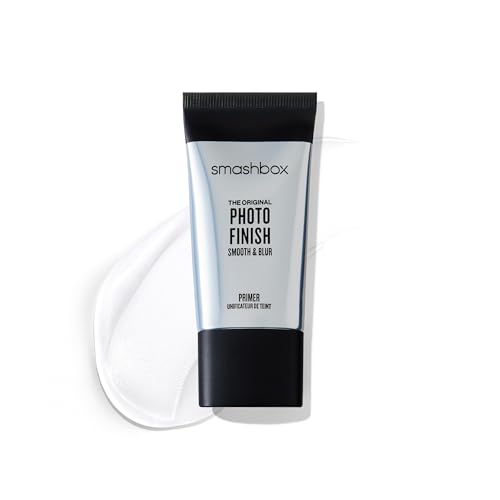
Best for: Dry or combination skin seeking a smoothing base with nourishing vitamins A and E. It’s a reliable option for an all-skin-type primer that minimizes the appearance of pores.
Why selected: Its blurring effect helps even texture and extend makeup wear, while vitamins support a healthy look. It’s a classic choice for photographers and everyday use alike.
Caution: Some users may prefer a silicone-free option; this product contains silicones, which may feel heavier on very dry skin if used in excess.
Buying Guide
What should a dry-skin primer do?
Hydrate the skin, fill minor texture, and create a smooth canvas that foundation can grip without sliding or caking. Look for formulas with humectants (like hyaluronic acid), glycerin, or skin-conditioning ingredients that help retain moisture throughout the day.
Hydration vs. grip: which matters more?
Hydration increases comfort and reduces flaking, while grip helps makeup last. For very dry skin, prioritize hydration first, then add a light grip primer if you need extended wear or a specific finish.
Silicone-free vs silicone-based primers
Silicone-free primers often feel lighter and can be ideal for those with sensitive or reactive skin. Silicone-based primers can provide slip and a blurring effect but may feel heavier on very dry or acne-prone skin.
Finish and skin tone considerations
For dry skin, a dewy or satin finish is typically more flattering. If you have fair or warm undertones, choose a formula that won’t add unwanted cast or tint. Clear or skin-tone matching primers are versatile options for mixed lighting and varied environments.
How to apply primers for best results
Apply a pea-size amount to clean skin, focusing on problem areas (cheek hollows, forehead, nose). Allow 30–60 seconds to set before applying foundation. If your skin feels dry mid-day, a light mist of facial mist can refresh the finish.
When to use multiple primers
For some routines, layering is beneficial: a hydrating primer as a base, followed by a gripping, lighter-textured primer in the T-zone to extend wear. Avoid piling heavy products in one area to prevent pilling or discomfort.
FAQ
-
Can primer alone fix dry patches?
A: Primer helps create a smoother base, but for chronic dryness, use a dedicated moisturizer or serum beforehand and select a hydrating primer to augment this effect. -
Is a silicone-based primer better for dry skin?
A: Not necessarily. Silicone can provide slip and blurring, but some dry-skinned users prefer silicone-free formulas to avoid heaviness. Choose based on comfort and desired finish. -
Will hydrating primers make my makeup Look oily?
A: Not if used in moderation. Hydrating primers with a lightweight finish typically maintain a fresh glow without added shine, especially when followed by a setting step. -
How long should primer last before applying makeup?
A: Most primers set within 30–60 seconds. Allow a brief settling period before foundation to maximize grip and evenness. -
Can I use primer without foundation?
A: Yes. Primers can be worn solo for a smoother, hydrated, and more even skin tone, especially if you want a quick, light makeup look.