Finding a daily sunscreen for the face that fits your skin type and routine is essential. This guide highlights five popular options, each suited to different needs—from lightweight serums for makeup wearers to oil-free formulas for acne-prone skin. Whether you want a moisturizer with built-in SPF or a standalone sunscreen that layers under makeup, there’s a clear choice here. The following selections emphasize broad-spectrum protection, non-greasy finishes, and skin-friendly ingredients to help you sun-protect your face every day.
The table below summarizes the five featured products to help you compare at a glance. Columns show broad-spectrum protection, texture, and best-use scenario. Use this as a quick reference when deciding which sunscreen best fits your daily routine.
| Product | SPF Type | Texture | Best For |
|---|---|---|---|
| CeraVe AM Facial Moisturizing Lotion SPF 50 | SPF 50 | Lightweight, non-greasy | Moisturizing finish for normal to dry skin; daily use |
| Neutrogena Clear Face Sunscreen Lotion SPF 50 | SPF 50 | Oil-free, breathable | Acne-prone or oily skin; under makeup |
| The Ordinary UV Filters SPF 45 Serum | SPF 45 | Lightweight serum texture | Everyday wear, minimal finish; all skin tones |
| Neutrogena Invisible Defense Serum SPF 60 | SPF 60 | Weightless, non-greasy | Makeup-ready finish; fragrance-free |
| La Roche-Posay Toleriane Double Repair UV SPF 30 | SPF 30 | Lightweight and hydrating | Sensitive skin with barrier support |
CeraVe AM Facial Moisturizing Lotion SPF 50
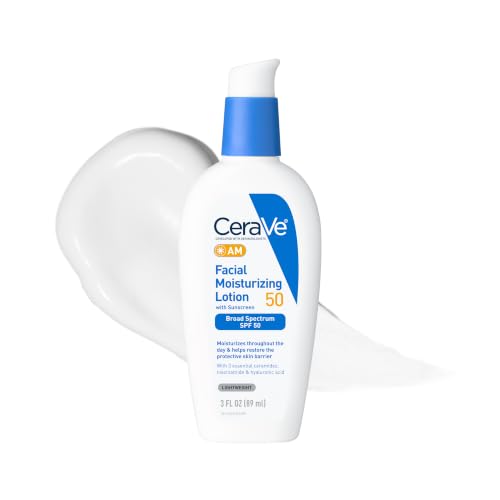
Brand: CeraVe
Key features: Broad Spectrum SPF 50 with micro-fine zinc oxide for UVA/UVB protection; Hyaluronic Acid and Niacinamide provide hydration and calm the skin; MVE Technology delivers long-lasting moisture. The formula is lightweight and blends easily with no white residue.
Best for: Normal to dry skin types seeking a hydrating sunscreen that doubles as a daily moisturizer. It’s well-suited for those who want a non-greasy finish with added ceramide-based skin support.
Limitation: Some users with very oily skin may prefer a more oil-free option or a separate nighttime moisturizer to avoid any added shine.
Neutrogena Clear Face Sunscreen Lotion SPF 50
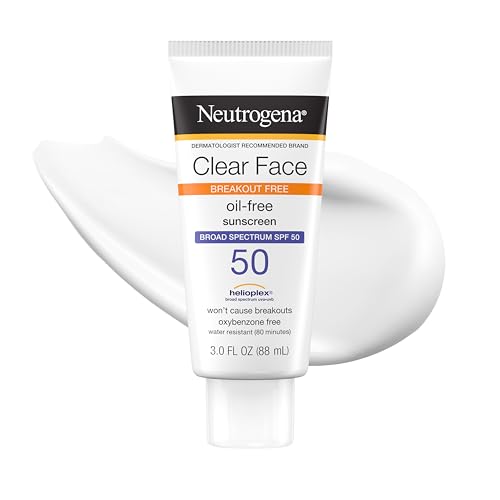
Brand: Neutrogena
Key features: Oil-free, non-comedogenic formula designed for acne-prone and oily skin; lightweight texture absorbs quickly and reduces shine; UVA/UVB protection, fragrance-free options may be available.
Best for: Acne-prone or oily skin that needs reliable daily sun protection without clogging pores or added heaviness. Choose this if you wear makeup daily and want a breathable base.
Limitation: Some users may notice a slight finish difference under very matte or full-coverage makeup; test under your routine first.
The Ordinary UV Filters SPF 45 Serum Sunscreen

Brand: The Ordinary
Key features: Broad-Spectrum SPF 45; lightweight, hydrating serum texture; no white cast; travel-friendly size; non-comedogenic and suitable for all skin tones.
Best for: Those who prefer a serum-like sunscreen that layers easily under makeup and performs well across different skin tones. Choose this when you want a minimal, hydrating base.
Limitation: As a serum, it may require a moisturizer over the top for very dry or mature skin types in colder climates.
Neutrogena Ultra Sheer Serum SPF 60

Brand: Neutrogena
Key features: Weightless sunscreen serum with SPF 60; non-greasy, fragrance-free formula designed to be makeup-ready; hydrates while protecting from UVA/UVB rays.
Best for: Those who want a super-light, fragrance-free finish that layers easily under makeup or other skincare products. Opt for this when skin sensitivity to fragrance is a concern.
Limitation: Higher SPF serums can sometimes feel slightly more “watery” on very dry skin; consider pairing with a moisturizer if needed.
La Roche-Posay Toleriane Double Repair UV SPF 30

Brand: La Roche-Posay
Key features: Prebiotic thermal water, ceramide-3, niacinamide, and glycerin provide up to 48-hour hydration; lightweight, easily absorbed; broad-spectrum UVA/UVB protection with a focus on skin barrier support.
Best for: Sensitive skin that benefits from barrier-supporting ingredients and long-lasting hydration. Great for daily use in varied climates.
Limitation: SPF 30 is adequate for many situations but may require reapplication more frequently in intense sun or extended outdoor activities.
Buying Guide: Practical Considerations For Your Daily Sunscreen
- What is your skin type and concern? If you have oily skin, consider oil-free or serum-textured sunscreens. If you have dry skin, look for hydrating formulas with ceramides or hyaluronic acid.
- Do you wear makeup daily? For makeup wearers, choose lightweight or serum-based sunscreens that layer smoothly under foundation.
- Is fragrance or sensitive skin a factor? Fragrance-free options reduce irritation risk for sensitive skin.
- What level of protection do you need? SPF 30 is common for everyday use; SPF 50+ is beneficial for more sun exposure or higher UV environments.
- Reapplication and wear-time: If you’re outdoors for extended periods, plan for reapplication every two hours or as directed, even with water-resistant formulas.
- All-in-one vs. layering: If you prefer one-step routines, consider moisturizers with SPF; if you want to customize protection, use a dedicated sunscreen over moisturizer.
Frequently Asked Questions
- Q: Can I use sunscreen on my entire face daily? A: Yes, applying sunscreen daily helps prevent sun damage and photoaging. Use a broad-spectrum formula with SPF 30 or higher.
- Q: Will tinted sunscreens work as makeup? A: Some sunscreens provide light coverage, but for fuller makeup effects, use sunscreen under foundation or a tinted moisturizer.
- Q: How often should I reapply sunscreen if I’m indoors most of the day? A: Reapply at least once every two hours if you’re near windows or under strong indoor lighting; if you’re mostly indoors, you may reapply less frequently.
- Q: Are fragrance-free formulas better for sensitive skin? A: Often yes, especially for those with sensitivity or eczema-prone skin, but always patch-test new products.
- Q: Should I use sunscreen on cloudy days? A: Yes. UVA/UVB rays can penetrate clouds, so daily protection is still recommended.
- Q: Is SPF 60 significantly better than SPF 30? A: SPF 60 offers more protection, but real-world protection also depends on application thickness and reapplication frequency.