Choosing the right preservative is essential for extending the shelf life of skin care formulas without compromising skin safety. This article highlights five widely used preservative options suitable for creams, lotions, serums, and cleansers. Each product is analyzed for compatibility, skin sensitivity, and typical applications to help formulators and enthusiasts compare choices.
| Product | Brand | Best For | Typical Use |
|---|---|---|---|
| MYOC Phenoxyethanol Liquid | MYOC | Moisturizers, sunscreens, acne care, hair care | Broad-spectrum preservative in cosmetic formulations |
| Optiphen Plus Preservative | Talsen Chemicals | Lotions, creams, serums | Hydrating feel with good water/oil compatibility |
| Leucidal Liquid Complete | Skin Perfection | DIY lotions, toners, creams, haircare | Natural preservative alternative with moisturizing benefits |
| Germall Plus Liquid Preservative | Soapeauty | Skin care products, shampoos, lotions | Water-soluble, broad compatibility across formulas |
| Phenoxyethanol Preservative Liquid | Talsen Chemicals | Cosmetics, lotions, creams | Broad-spectrum protection; easy solubility |
Note: This overview focuses on commonly used, broad-spectrum options suitable for a variety of skin care formulations. Specific formulation conditions, such as pH, water activity, and compatibility with other active ingredients, should be tested in small pilot batches before scaling up.
MYOC Phenoxyethanol Liquid For Skincare

MYOC phenoxyethanol liquid is described as a transparent preservative with no additives and no parabens. It is noted for non-comedogenic properties and effectiveness against gram-positive and gram-negative bacteria. Commonly used in face products such as creams and lotions, it also finds utility in wipes, eczema formulations, shampoos, and cosmetic powders. Formulators often choose phenoxyethanol-based systems for broad-spectrum protection while aiming to minimize skin irritation risks.
Optiphen Plus Preservative For Cosmetics

Optiphen Plus adds a conditioning element to formulations for improved skin feel and can be used across lotions, creams, and emulsions. It is designed for compatibility with both water and oil phases and is described as having low sensitizing potential, making it suitable for products intended for sensitive skin. Users can apply this preservative in a variety of cosmetic and skincare products to maintain stability while preserving a pleasant texture.
Leucidal Liquid Complete By Skin Perfection

Leucidal Liquid Complete combines Leucidal Liquid with Lactobacillus and AMTocide Coconut Ferment to offer a non-synthetic preservative alternative with moisturizing properties. It is positioned as suitable for DIY skincare, serums, toners, cleansers, lotions, and creams. The product emphasizes plant-based preservation, ease of use at modest temperatures, and guidance for typical use concentrations to achieve effective preservation while maintaining skin-friendly hydration.
Leucidal Liquid Radish Root (Natural Alternative)
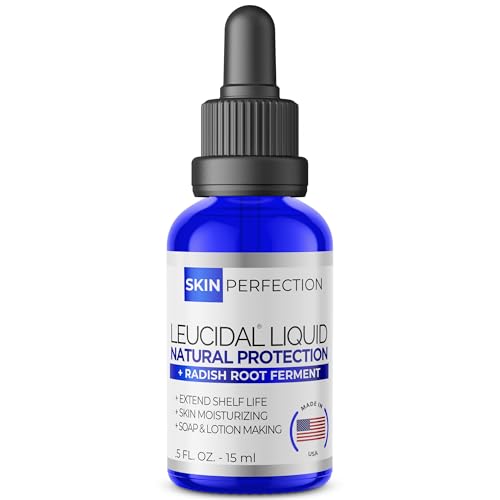
Leucidal Liquid Radish Root is highlighted as a natural, plant-based preservative option, suitable for hyaluronic acid serums, lotions, and other skincare products. It is water-soluble and eco-certified, offering moisturizing benefits alongside microbial protection. Guidance suggests heating to liquify if needed and applying within recommended concentrations to maintain product stability while supporting skin hydration.
Germall Plus Liquid Preservative
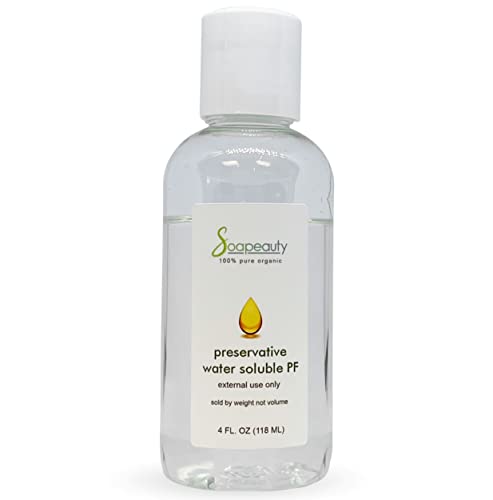
Germall Plus Liquid Preservative is presented as a water-soluble natural option suitable for skin care products, shampoos, lotions, and creams. It dissolves completely across a wide pH range and is compatible with many cosmetic formulations. It is positioned for use in self-care products and facial skin care formulations, offering broad protection while maintaining product quality across different bases.
Optiphen Plus Preservative (2 Ounce)

This listing highlights Optiphen Plus in a smaller format, useful for testers or small-batch production. It emphasizes conditioning can enhance skin feel, compatibility with various formulations, and a focus on low sensitizing potential for sensitive skin. It is suitable for a broad range of cosmetic products, including lotions and serums, where stable preservation and comfortable texture are desired.
Phenoxyethanol Preservative Liquid (250 mL)

This broad-spectrum preservative in a sizable 250 mL bottle targets a wide range of microbes, designed for easy dissolution into aqueous and emulsion-based formulations. It is described as having low sensitizing potential and broad compatibility with skincare products, making it a versatile choice for formulators building larger batches or multiple products with a consistent preservative system.
Buying Guide: Key Purchase Considerations
- Formulation compatibility: Assess whether the preservative works with the product’s water phase, oil phase, pH range, and temperature during production and storage.
- Spectrum and safety: Compare broad-spectrum protection against bacteria, yeasts, and molds. Consider skin sensitivity, regulatory status, and consumer safety data.
- Texture impact: Some preservatives influence mouthfeel or slip. Optiphen Plus and similar IP-friendly options can improve or preserve desirable textures.
- Eco and natural claims: If seeking natural or plant-based preservative alternatives, Leucidal products offer a gentler profile, though performance varies with formulation.
- Batch size and practicality: Larger bottles suit ongoing production, while smaller bottles fit DIY projects or trials. Consider storage conditions and shelf life.
- Regulatory compliance: Verify compatibility with local cosmetic and labeling regulations, including restrictions on certain preservative classes for specific product types.
- Testing and validation: Always conduct challenge tests to confirm microbial resistance in your specific formulation and packaging.
When selecting a preservative system, balance efficacy with skin safety, product feel, and formulation goals. Combining a primary broad-spectrum preservative with a secondary stabilizer or natural alternative can provide robust protection while aligning with brand values and consumer expectations.